
Editorial dates are assigned for this collection; they do not represent original publication or author approval dates. The update date records this site revision.
FIELD PERSPECTIVE · 2 MIN READ
Name the event before choosing analytics
A loading dock intrusion, a propped service door and motion near an authorized delivery each require different action. Map the permitted detection area, schedule and staffing. A camera may spot movement without knowing whether it is harmful or whether anyone is available to evaluate it.
Plan the complete notification path
Specify the device or platform that generates the alert, the view shown, the person or service receiving it, acknowledgement time and escalation if no one answers. Confirm current phone numbers and holidays. Decide what happens during connectivity loss and avoid implying a monitoring or dispatch promise unless it is contracted.
Pilot in real operating conditions
Include shift changes, cleaners, deliveries, headlights, rain and seasonal shadows. Record nuisance alerts, missed target events and minutes spent reviewing clips. If the response team must investigate dozens of benign notifications, adjust scene, rule or hours before adding more cameras.
Leave an operator-ready procedure
Provide zone names, camera map, response contacts, alert examples, verification steps and the person authorized to change rules. Exercise an alert from camera to acknowledgement and document gaps. Revisit the workflow when tenants, yards or staffing change.
Working example: The scenario below is illustrative. It describes a practical design and review method, not a completed customer project or a guaranteed result.
A working scenario
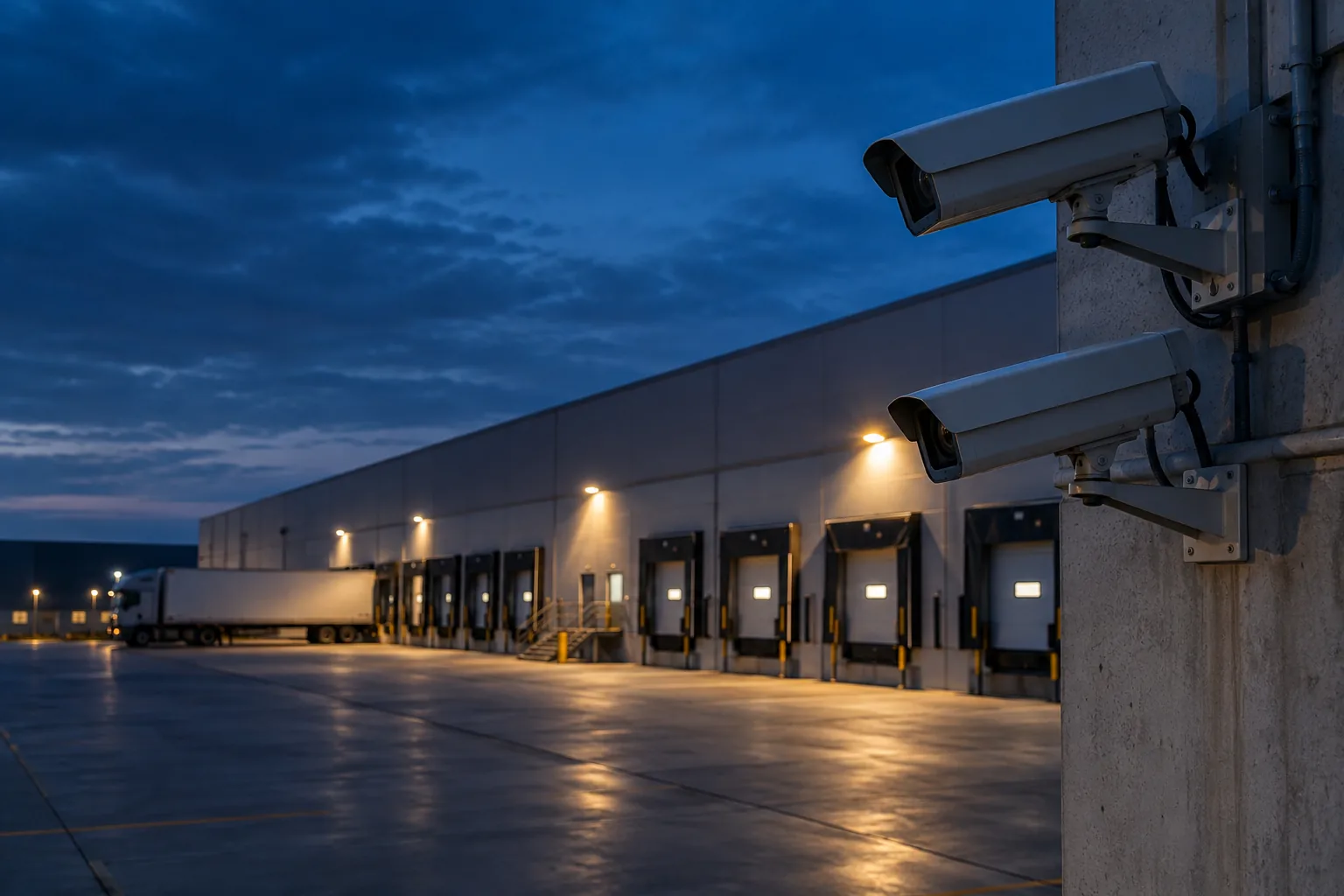
A warehouse receives hundreds of overnight motion notices but no one can say which ones should wake a manager.
The decision to make before buying
Define a small set of actionable events with the owner and match each to a staffed response.
A useful acceptance test
Trigger supervised events at night and trace delivery, acknowledgement, camera context and escalation.
What the owner should receive
Keep the rule, sample footage, contact tree, nuisance log and next review date.
Questions owners ask
Does an analytic alert equal a verified incident?
No. A trained person or agreed process must inspect context and follow the facility response plan. Detection performance changes with lighting, obstructions and site activity.
What should an after-hours test include?
The real recipient, escalation backup, the right camera, a timestamped event, a failed-connectivity scenario and the written action that follows verification.
Project conditions and responsibilities vary. Confirm the actual scope and test plan with the owner and project team.