Resident turnover and lost credentials create manual work.
THE RESPONSESet up repeatable issue, revoke and temporary access procedures.
THE PRACTICAL VALUEProperty teams can process moves with a clearer audit trail.

Residents, guests, deliveries and staff all need different access while common areas remain usable.
Greater Denver and the Front Range

System scope follows the facility’s operating needs and assessment.
System choices should start with the occupants, access patterns, daily operations and the team responsible for responding to an alert. The scope then connects those requirements to practical equipment, documentation and service.
These examples are design opportunities to validate with each facility, not promised results from a specific project.
Set up repeatable issue, revoke and temporary access procedures.
THE PRACTICAL VALUEProperty teams can process moves with a clearer audit trail.
Connect intercom, visitor flow and entry permissions.
THE PRACTICAL VALUEResidents retain a practical arrival experience while unauthorized access is harder to overlook.
Align access events, appropriate camera views and parking workflows.
THE PRACTICAL VALUEManagers have more context for a policy decision or investigation.
The right mix depends on the site assessment and its existing systems.
COLORADO APPLICATION SCENARIOS
These are modeled planning scenarios written in retrospective form to show how a complex project could have been approached and accepted. They are not completed 1st Key customer projects or measured outcomes. The cities, building sizes and results are hypothetical; actual scope and performance depend on the facility.
In this modeled Arvada scenario, a 90,000-square-foot multifamily & hoa communities facility had reached a decision point: the design team had to settle device locations, power, pathways and system ownership before finishes closed. Residents, deliveries, visitors and vendors needed distinct entry paths. The owner had to keep ordinary operations moving while determining which portions of the installed environment were trustworthy. A change after close-in would have affected other trades, schedule and cost, so the acceptance method had to be agreed before procurement.
The operational problem was specific: lost keys and vendor turnover create repeated common-door rekeying work. Turnover and common-area access created recurring administrative work. Staff could not reliably tell whether a missed event came from a field device, a network path, an outdated rule or an incomplete handoff. The owner also lacked a single acceptance record that connected the symptom to a test, the person responsible and a closeout decision.
The modeled goal was to give residents mobile or card access while limiting vendor credentials by schedule without creating a second, disconnected operating burden. The proposed 1st Key team had mapped users, hours, legacy equipment and dependencies with property, security and IT contacts. The opening-level review covered the credential rule, door hardware, power, egress, held or forced events and what an operator would see when a test failed. The design had staged an owner-approved work window, a test plan for normal and failure conditions, and a named person to resolve exceptions before the next phase.
In the modeled result, less time reconciling lost access and more predictable resident service. The acceptance test had been defined around this observable result: a resident and a timed vendor credential demonstrate distinct permissions and a simple revocation process. The closeout package would have included the move-in and move-out test profiles, event log and property-staff walkthrough, a list of unresolved conditions with owners and dates, and training for the person who would administer or respond to the system. This described impact is a planning illustration, not a measured result from a completed 1st Key customer project.
In this modeled Westminster scenario, a 180,000-square-foot multifamily & hoa communities facility had reached a decision point: the occupied building had legacy hardware, incomplete records and users who could not simply be shut out during the migration. Residents, deliveries, visitors and vendors needed distinct entry paths. The owner had to keep ordinary operations moving while determining which portions of the installed environment were trustworthy. The team needed a baseline, phased work windows and an explicit rollback point before any cutover.
The operational problem was specific: visitors call several residents because entry approval is inconsistent. Turnover and common-area access created recurring administrative work. Staff could not reliably tell whether a missed event came from a field device, a network path, an outdated rule or an incomplete handoff. The owner also lacked a single acceptance record that connected the symptom to a test, the person responsible and a closeout decision.
The modeled goal was to connect an intercom request to a defined visitor entry procedure without creating a second, disconnected operating burden. The proposed 1st Key team had mapped users, hours, legacy equipment and dependencies with property, security and IT contacts. The opening-level review covered the credential rule, door hardware, power, egress, held or forced events and what an operator would see when a test failed. The design had staged an owner-approved work window, a test plan for normal and failure conditions, and a named person to resolve exceptions before the next phase.
In the modeled result, less time reconciling lost access and more predictable resident service. The acceptance test had been defined around this observable result: a test visitor request reaches the correct resident or staff workflow and records the agreed entry action. The closeout package would have included the move-in and move-out test profiles, event log and property-staff walkthrough, a list of unresolved conditions with owners and dates, and training for the person who would administer or respond to the system. This described impact is a planning illustration, not a measured result from a completed 1st Key customer project.
In this modeled Pueblo scenario, a 320,000-square-foot multifamily & hoa communities facility had reached a decision point: the owner had an installed system that still served part of the property, but the new area changed capacity, licensing or administration. Residents, deliveries, visitors and vendors needed distinct entry paths. The owner had to keep ordinary operations moving while determining which portions of the installed environment were trustworthy. A successful addition depended on checking compatibility and avoiding a new isolated workflow.
The operational problem was specific: property staff cannot connect a garage incident to the vehicle entry event. Turnover and common-area access created recurring administrative work. Staff could not reliably tell whether a missed event came from a field device, a network path, an outdated rule or an incomplete handoff. The owner also lacked a single acceptance record that connected the symptom to a test, the person responsible and a closeout decision.
The modeled goal was to review garage entry incidents with corresponding lane video without creating a second, disconnected operating burden. The proposed 1st Key team had mapped users, hours, legacy equipment and dependencies with property, security and IT contacts. The opening-level review covered the credential rule, door hardware, power, egress, held or forced events and what an operator would see when a test failed. The design had staged an owner-approved work window, a test plan for normal and failure conditions, and a named person to resolve exceptions before the next phase.
In the modeled result, less time reconciling lost access and more predictable resident service. The acceptance test had been defined around this observable result: a sample lane event retrieves its corresponding recording within the agreed review workflow. The closeout package would have included the move-in and move-out test profiles, event log and property-staff walkthrough, a list of unresolved conditions with owners and dates, and training for the person who would administer or respond to the system. This described impact is a planning illustration, not a measured result from a completed 1st Key customer project.
In this modeled Centennial scenario, a 145,000-square-foot multifamily & hoa communities facility had reached a decision point: the owner had to separate recoverable assets from undocumented settings, unsupported products and access held by the previous provider. Residents, deliveries, visitors and vendors needed distinct entry paths. The owner had to keep ordinary operations moving while determining which portions of the installed environment were trustworthy. A takeover would have required administrator transfer, a tested baseline and a clear list of inherited deficiencies.
The operational problem was specific: residents receive access to amenities and package rooms beyond their entitlement. Turnover and common-area access created recurring administrative work. Staff could not reliably tell whether a missed event came from a field device, a network path, an outdated rule or an incomplete handoff. The owner also lacked a single acceptance record that connected the symptom to a test, the person responsible and a closeout decision.
The modeled goal was to separate package-room, amenity and residential-door access permissions without creating a second, disconnected operating burden. The proposed 1st Key team had mapped users, hours, legacy equipment and dependencies with property, security and IT contacts. The opening-level review covered the credential rule, door hardware, power, egress, held or forced events and what an operator would see when a test failed. The design had staged an owner-approved work window, a test plan for normal and failure conditions, and a named person to resolve exceptions before the next phase.
In the modeled result, less time reconciling lost access and more predictable resident service. The acceptance test had been defined around this observable result: test profiles demonstrate the intended common-area, amenity and package-room boundaries. The closeout package would have included the move-in and move-out test profiles, event log and property-staff walkthrough, a list of unresolved conditions with owners and dates, and training for the person who would administer or respond to the system. This described impact is a planning illustration, not a measured result from a completed 1st Key customer project.
In this modeled Boulder scenario, a 55,000-square-foot multifamily & hoa communities facility had reached a decision point: the design team had to settle device locations, power, pathways and system ownership before finishes closed. Residents, deliveries, visitors and vendors needed distinct entry paths. The owner had to keep ordinary operations moving while determining which portions of the installed environment were trustworthy. A change after close-in would have affected other trades, schedule and cost, so the acceptance method had to be agreed before procurement.
The operational problem was specific: a frequently propped entry defeats otherwise controlled resident access. Turnover and common-area access created recurring administrative work. Staff could not reliably tell whether a missed event came from a field device, a network path, an outdated rule or an incomplete handoff. The owner also lacked a single acceptance record that connected the symptom to a test, the person responsible and a closeout decision.
The modeled goal was to detect a propped common-area door and notify property staff without creating a second, disconnected operating burden. The proposed 1st Key team had mapped users, hours, legacy equipment and dependencies with property, security and IT contacts. The opening-level review covered the credential rule, door hardware, power, egress, held or forced events and what an operator would see when a test failed. The design had staged an owner-approved work window, a test plan for normal and failure conditions, and a named person to resolve exceptions before the next phase.
In the modeled result, less time reconciling lost access and more predictable resident service. The acceptance test had been defined around this observable result: a held-door test alerts the designated property role after the agreed delay and clears on closure. The closeout package would have included the move-in and move-out test profiles, event log and property-staff walkthrough, a list of unresolved conditions with owners and dates, and training for the person who would administer or respond to the system. This described impact is a planning illustration, not a measured result from a completed 1st Key customer project.
In this modeled Greeley scenario, a 210,000-square-foot multifamily & hoa communities facility had reached a decision point: the occupied building had legacy hardware, incomplete records and users who could not simply be shut out during the migration. Residents, deliveries, visitors and vendors needed distinct entry paths. The owner had to keep ordinary operations moving while determining which portions of the installed environment were trustworthy. The team needed a baseline, phased work windows and an explicit rollback point before any cutover.
The operational problem was specific: move-outs leave active credentials and create uncertainty for the next resident. Turnover and common-area access created recurring administrative work. Staff could not reliably tell whether a missed event came from a field device, a network path, an outdated rule or an incomplete handoff. The owner also lacked a single acceptance record that connected the symptom to a test, the person responsible and a closeout decision.
The modeled goal was to create move-in and move-out credential changes without rekeying common doors without creating a second, disconnected operating burden. The proposed 1st Key team had mapped users, hours, legacy equipment and dependencies with property, security and IT contacts. The opening-level review covered the credential rule, door hardware, power, egress, held or forced events and what an operator would see when a test failed. The design had staged an owner-approved work window, a test plan for normal and failure conditions, and a named person to resolve exceptions before the next phase.
In the modeled result, less time reconciling lost access and more predictable resident service. The acceptance test had been defined around this observable result: a move-out checklist revokes the departing resident’s rights and verifies the incoming resident’s access. The closeout package would have included the move-in and move-out test profiles, event log and property-staff walkthrough, a list of unresolved conditions with owners and dates, and training for the person who would administer or respond to the system. This described impact is a planning illustration, not a measured result from a completed 1st Key customer project.
In this modeled Longmont scenario, a 75,000-square-foot multifamily & hoa communities facility had reached a decision point: the owner had an installed system that still served part of the property, but the new area changed capacity, licensing or administration. Residents, deliveries, visitors and vendors needed distinct entry paths. The owner had to keep ordinary operations moving while determining which portions of the installed environment were trustworthy. A successful addition depended on checking compatibility and avoiding a new isolated workflow.
The operational problem was specific: unrestricted mechanical-room entry exposes shared systems to interference. Turnover and common-area access created recurring administrative work. Staff could not reliably tell whether a missed event came from a field device, a network path, an outdated rule or an incomplete handoff. The owner also lacked a single acceptance record that connected the symptom to a test, the person responsible and a closeout decision.
The modeled goal was to protect mechanical rooms and shared equipment from casual access without creating a second, disconnected operating burden. The proposed 1st Key team had mapped users, hours, legacy equipment and dependencies with property, security and IT contacts. The opening-level review covered the credential rule, door hardware, power, egress, held or forced events and what an operator would see when a test failed. The design had staged an owner-approved work window, a test plan for normal and failure conditions, and a named person to resolve exceptions before the next phase.
In the modeled result, less time reconciling lost access and more predictable resident service. The acceptance test had been defined around this observable result: authorized maintenance access works while a standard resident credential is denied and logged. The closeout package would have included the move-in and move-out test profiles, event log and property-staff walkthrough, a list of unresolved conditions with owners and dates, and training for the person who would administer or respond to the system. This described impact is a planning illustration, not a measured result from a completed 1st Key customer project.
In this modeled Loveland scenario, a 115,000-square-foot multifamily & hoa communities facility had reached a decision point: the owner had to separate recoverable assets from undocumented settings, unsupported products and access held by the previous provider. Residents, deliveries, visitors and vendors needed distinct entry paths. The owner had to keep ordinary operations moving while determining which portions of the installed environment were trustworthy. A takeover would have required administrator transfer, a tested baseline and a clear list of inherited deficiencies.
The operational problem was specific: camera expansion raises resident concerns about privacy and sightlines. Turnover and common-area access created recurring administrative work. Staff could not reliably tell whether a missed event came from a field device, a network path, an outdated rule or an incomplete handoff. The owner also lacked a single acceptance record that connected the symptom to a test, the person responsible and a closeout decision.
The modeled goal was to review cameras at shared entries without filming private living areas without creating a second, disconnected operating burden. The proposed 1st Key team had mapped users, hours, legacy equipment and dependencies with property, security and IT contacts. The view review checked subject size, day and night lighting, clock alignment, storage and whether an authorized user could retrieve the needed recording. The design had staged an owner-approved work window, a test plan for normal and failure conditions, and a named person to resolve exceptions before the next phase.
In the modeled result, less time reconciling lost access and more predictable resident service. The acceptance test had been defined around this observable result: documented views cover approved common entries while excluding windows and private living areas. The closeout package would have included the move-in and move-out test profiles, event log and property-staff walkthrough, a list of unresolved conditions with owners and dates, and training for the person who would administer or respond to the system. This described impact is a planning illustration, not a measured result from a completed 1st Key customer project.
In this modeled Broomfield scenario, a 600,000-square-foot multifamily & hoa communities facility had reached a decision point: the design team had to settle device locations, power, pathways and system ownership before finishes closed. Residents, deliveries, visitors and vendors needed distinct entry paths. The owner had to keep ordinary operations moving while determining which portions of the installed environment were trustworthy. A change after close-in would have affected other trades, schedule and cost, so the acceptance method had to be agreed before procurement.
The operational problem was specific: different buildings have incompatible systems and limited renovation budgets. Turnover and common-area access created recurring administrative work. Staff could not reliably tell whether a missed event came from a field device, a network path, an outdated rule or an incomplete handoff. The owner also lacked a single acceptance record that connected the symptom to a test, the person responsible and a closeout decision.
The modeled goal was to plan a phased modernization across multiple buildings and HOAs without creating a second, disconnected operating burden. The proposed 1st Key team had mapped users, hours, legacy equipment and dependencies with property, security and IT contacts. The technical review checked power, network, location, operator permissions, failure behavior and who would support the resulting system. The design had staged an owner-approved work window, a test plan for normal and failure conditions, and a named person to resolve exceptions before the next phase.
In the modeled result, less time reconciling lost access and more predictable resident service. The acceptance test had been defined around this observable result: a pilot building establishes compatibility, resident communication and acceptance steps for later phases. The closeout package would have included the move-in and move-out test profiles, event log and property-staff walkthrough, a list of unresolved conditions with owners and dates, and training for the person who would administer or respond to the system. This described impact is a planning illustration, not a measured result from a completed 1st Key customer project.
In this modeled Commerce City scenario, a 240,000-square-foot multifamily & hoa communities facility had reached a decision point: the occupied building had legacy hardware, incomplete records and users who could not simply be shut out during the migration. Residents, deliveries, visitors and vendors needed distinct entry paths. The owner had to keep ordinary operations moving while determining which portions of the installed environment were trustworthy. The team needed a baseline, phased work windows and an explicit rollback point before any cutover.
The operational problem was specific: staff turnover leaves no reliable guide to administering the property’s systems. Turnover and common-area access created recurring administrative work. Staff could not reliably tell whether a missed event came from a field device, a network path, an outdated rule or an incomplete handoff. The owner also lacked a single acceptance record that connected the symptom to a test, the person responsible and a closeout decision.
The modeled goal was to hand the property manager usable device records and resident support instructions without creating a second, disconnected operating burden. The proposed 1st Key team had mapped users, hours, legacy equipment and dependencies with property, security and IT contacts. The technical review checked power, network, location, operator permissions, failure behavior and who would support the resulting system. The design had staged an owner-approved work window, a test plan for normal and failure conditions, and a named person to resolve exceptions before the next phase.
In the modeled result, less time reconciling lost access and more predictable resident service. The acceptance test had been defined around this observable result: a new administrator completes an add-user task and locates device records using the handoff materials. The closeout package would have included the move-in and move-out test profiles, event log and property-staff walkthrough, a list of unresolved conditions with owners and dates, and training for the person who would administer or respond to the system. This described impact is a planning illustration, not a measured result from a completed 1st Key customer project.
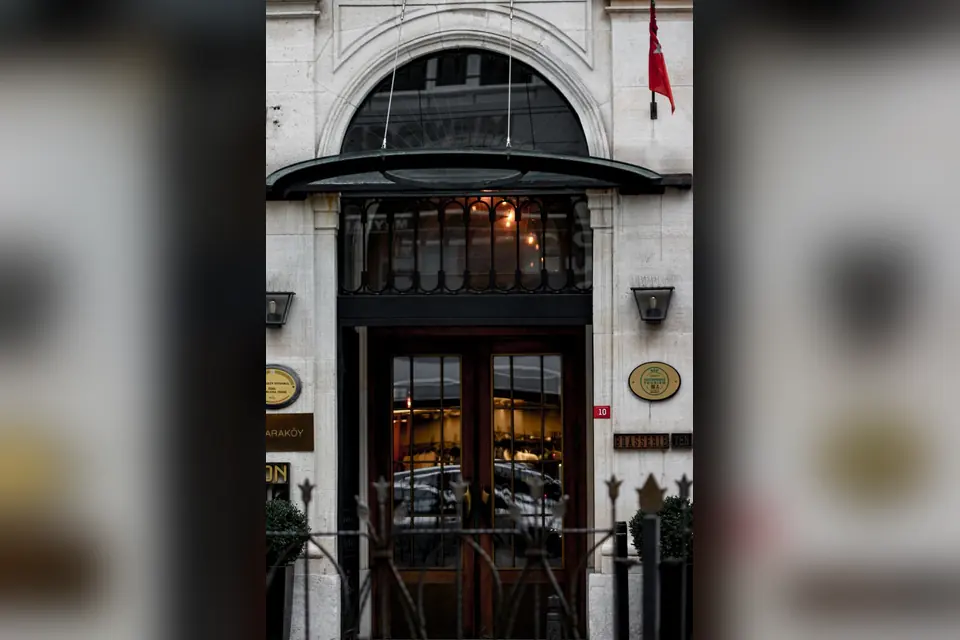
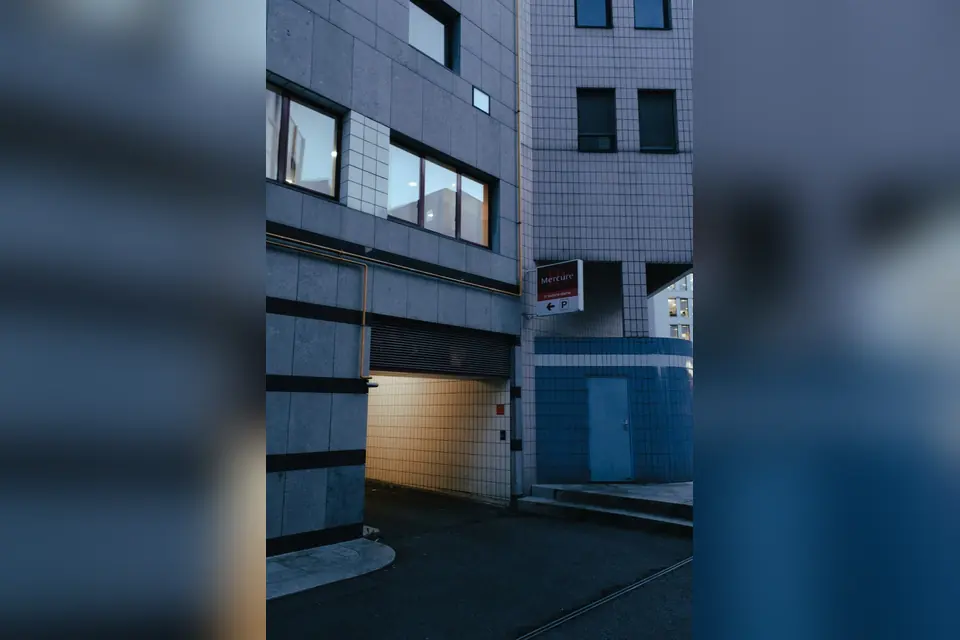
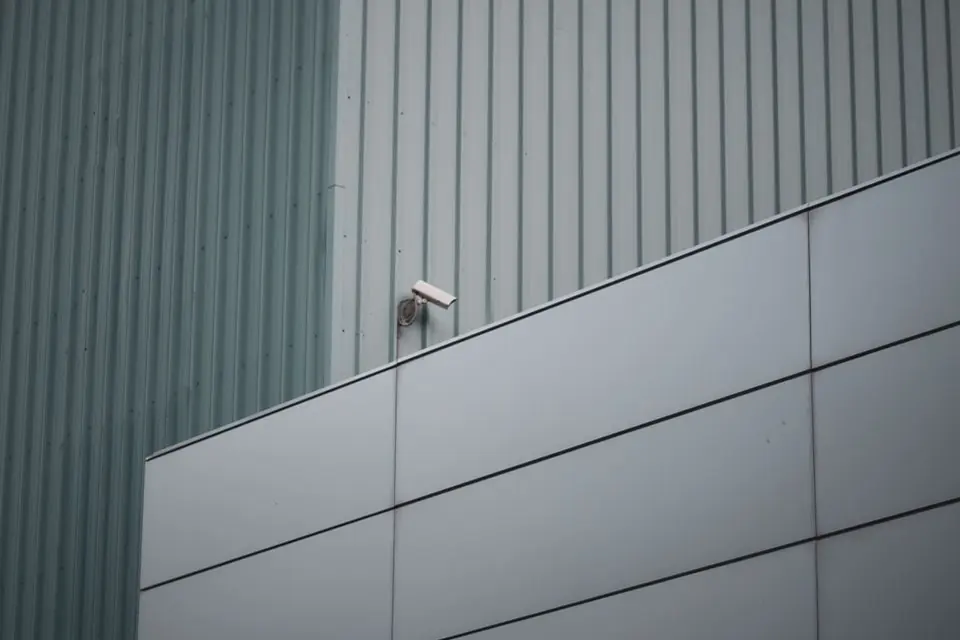
Representative equipment and working environments relevant to the scope.
Answers to these questions help set the scope before product selection and reduce surprises during installation and handoff.
Have a building in Colorado? 1st Key stands ready and able to help. Tell us the location and what needs attention; we will confirm service availability and scope.
We can start with the current environment, its main risks and the decisions that need to be made.
Assign a facility owner to this question. Record the current workflow, desired change, dependencies and the evidence needed for acceptance.
Assign a facility owner to this question. Record the current workflow, desired change, dependencies and the evidence needed for acceptance.
Assign a facility owner to this question. Record the current workflow, desired change, dependencies and the evidence needed for acceptance.
Prepare your facility brief ↗ Understand the project process ↗