
Editorial dates are assigned for this collection; they do not represent original publication or author approval dates. The update date records this site revision.
FIELD PERSPECTIVE · 3 MIN READ
Trace a link without guesswork
A cable run should connect an endpoint label to the patch panel, room and record. Consistent identifiers matter more than decorative cable dressing. When a door controller loses connection, the technician should be able to locate the port, review its test record and isolate the fault without pulling every patch cord.
Protect the physical layer
Pathway fill, separation, bend radius, termination and cable support affect performance and durability. Copper and fiber require the test method specified by the approved scope. A continuity light is not a substitute for the required certification. Record failed links and retests by identifier.
Design for change
Patch panels, cable management, rack elevation, power and cooling should leave room for future devices. Coordinate switch ports, VLANs and power over Ethernet budgets with IT. Use an agreed naming convention so a new technician can make a safe change and update the record.
Close with evidence
Useful handoff includes link-level results, as-built routes and rack positions, exceptions and ownership of active network configuration. These are small operational choices that reduce disruption when the building changes.
Working example: The scenario below is illustrative. It describes a practical design and review method, not a completed customer project or a guaranteed result.
A working scenario
A camera drops offline and a service technician finds three unmarked patch cords that could serve it. The ten-minute diagnosis becomes an outage because the rack cannot connect a field device to a known port.
The decision to make before buying
Agree on a labeling grammar across room, rack, panel, port, and endpoint. Specify bend management, supported cable routes, power and cooling, switch ownership, and space for a future expansion before the rack fills.
A useful acceptance test
Pick a random endpoint during acceptance. Trace its label to a panel and raw test result, verify the switch port with IT, and isolate it without disturbing adjacent live services.
What the owner should receive
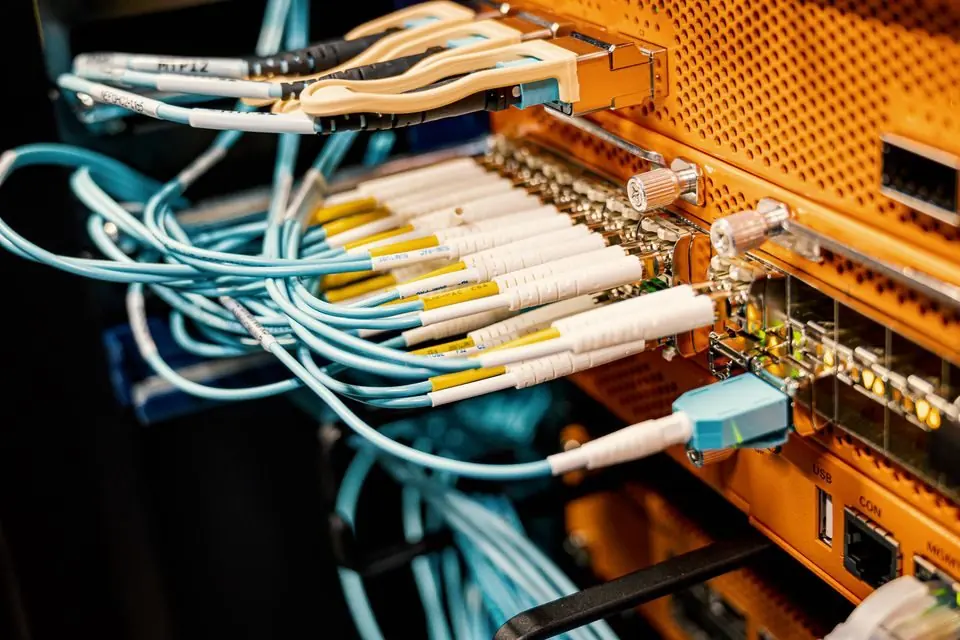
Deliver rack elevations, labeling legend, link-level results, failed-link retests, as-built changes, and active-equipment ownership. A polished front photo alone does not establish the physical layer's quality.
Questions owners ask
Can a rack be attractive and still hard to service?
Yes. Dense bundled patch cords can hide labels, obstruct equipment replacement or mask failed links. A serviceable rack has traceable endpoints, manageable slack, accessible power, cooling and an accurate elevation. Judge it by a supervised service task, not a photograph.
Which evidence matters most?
Ask for raw link results under the same identifiers as the outlets and panels, a record of failed runs and retests, power and port mapping, and as-built changes. Ensure IT accepts the active-network handoff.
Project conditions and responsibilities vary. Confirm the actual scope and test plan with the owner and project team.