Survey
Measure desired coverage and capacity against wall materials, shelving, metal, density, interference and roaming paths, including outdoor areas when needed.

Plan coverage and connectivity for the spaces where people and devices actually operate.
Greater Denver and the Front Range
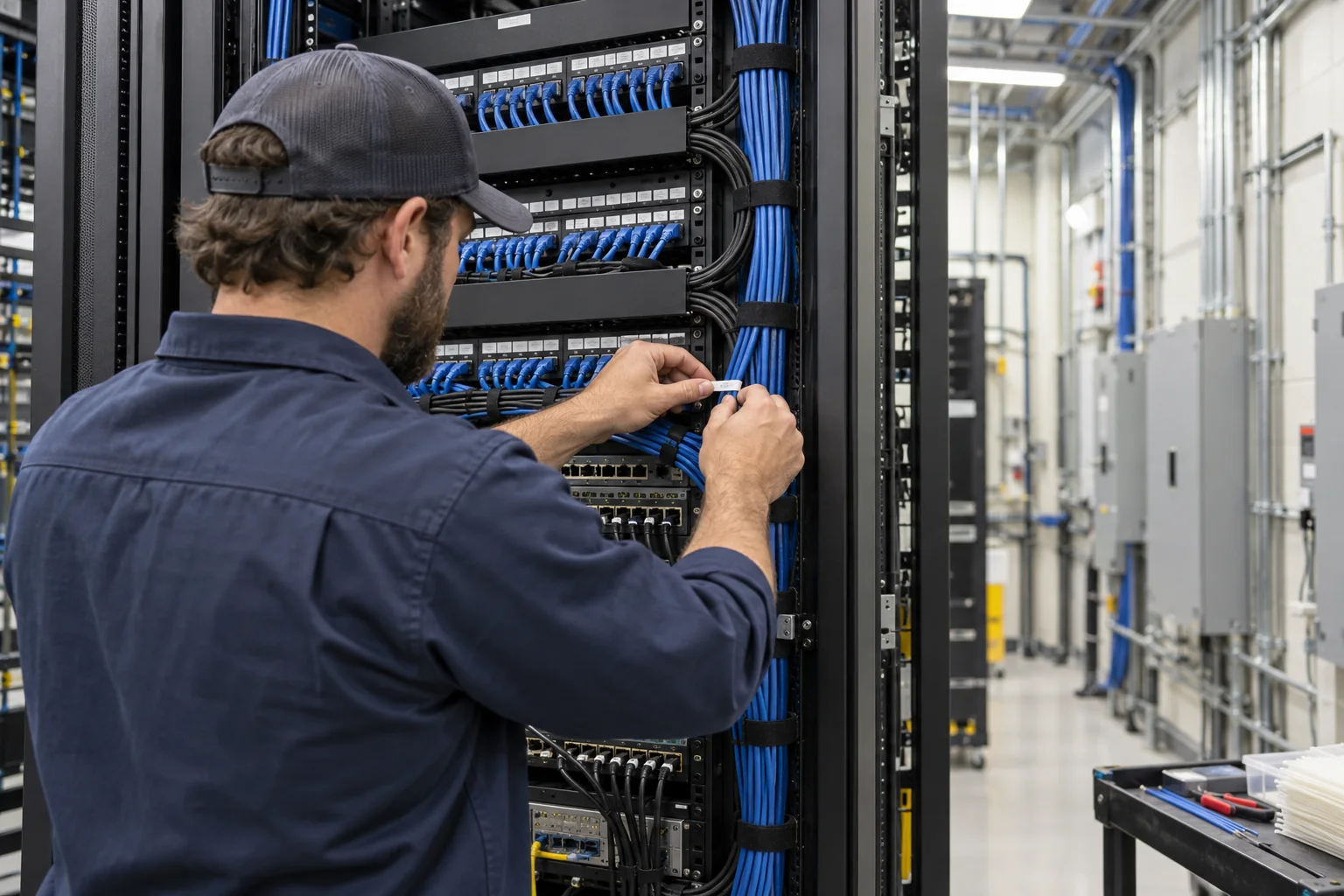
Products, interfaces and exact scope are confirmed after reviewing the facility.
Wireless design considers density, building materials, roaming and segmentation; the right approach depends on a site survey.
A survey should consider wall construction, rack locations, device density, interference and coverage outdoors or between buildings. Coordinate SSIDs, segmentation, roaming and switching responsibilities with the customer’s network team.
Document the deployed locations, network handoff and performance checks.
We confirm existing conditions and customer responsibilities before finalizing products, interfaces, tests and the documentation needed to support the installed system.
A useful design connects components, people, failure conditions and a testable handoff.
Measure desired coverage and capacity against wall materials, shelving, metal, density, interference and roaming paths, including outdoor areas when needed.
Locate access points with maintainable cabling, switch capacity and appropriate PoE while avoiding visually or operationally poor mounting positions.
Coordinate employee, guest and connected-device networks, authentication, administrative access and monitoring responsibility with IT.
Check practical coverage and application performance at intended use points, document exceptions and tune channels and power against actual conditions.
Five possible applications to explore during discovery. These describe capabilities and design scenarios, not completed customer projects.
Survey signal coverage for warehouse handhelds across aisles and loading docks.
Design guest Wi-Fi isolation from building-security and operational networks.
Place access points around classrooms after reviewing capacity and interference.
Connect remote devices through an approved outdoor point-to-point link.
Validate roaming, throughput and the support handoff with the customer IT team.
Representative equipment and working environments relevant to the scope.
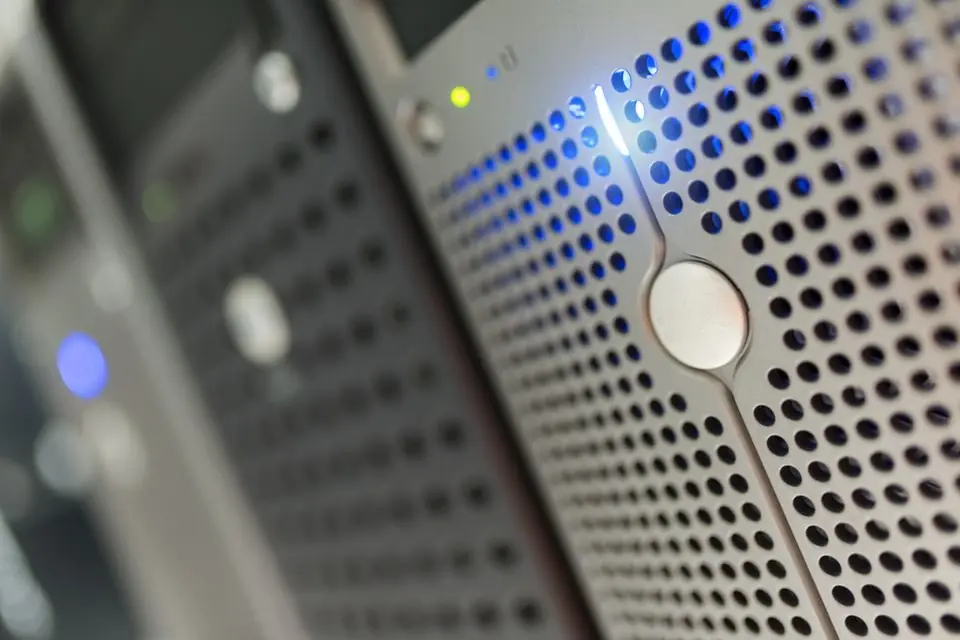


Our pre-site safety review, field documentation and customer acceptance process help keep the installed condition visible to the people who will operate and maintain it. For wireless networks, the closeout conversation should include: Check practical coverage and application performance at intended use points, document exceptions and tune channels and power against actual conditions.
We ask for the existing drawings, device inventory, network and power ownership, known deficiencies and the people who will use the system. The final scope and acceptance criteria follow those answers.
| Decision | What to confirm |
|---|---|
| Scope | Confirm the devices, areas and operating modes included in the work; record exclusions. |
| Dependencies | A survey should consider wall construction, rack locations, device density, interference and coverage outdoors or between buildings. Coordinate SSIDs, segmentation, roaming and switching responsibilities with the customer’s network team. |
| Handoff evidence | Check practical coverage and application performance at intended use points, document exceptions and tune channels and power against actual conditions. |
Have a building in Colorado? 1st Key stands ready and able to help. Tell us the location and what needs attention; we will confirm service availability and scope.
Describe the facility, the existing equipment and the outcome you need. We can discuss design, deployment or service.