Room experience
Start with what a presenter and remote participant must see and hear, then select displays, cameras, microphones and speakers for the actual room.

Make meetings, presentations and shared spaces consistent and easy to use.
Greater Denver and the Front Range
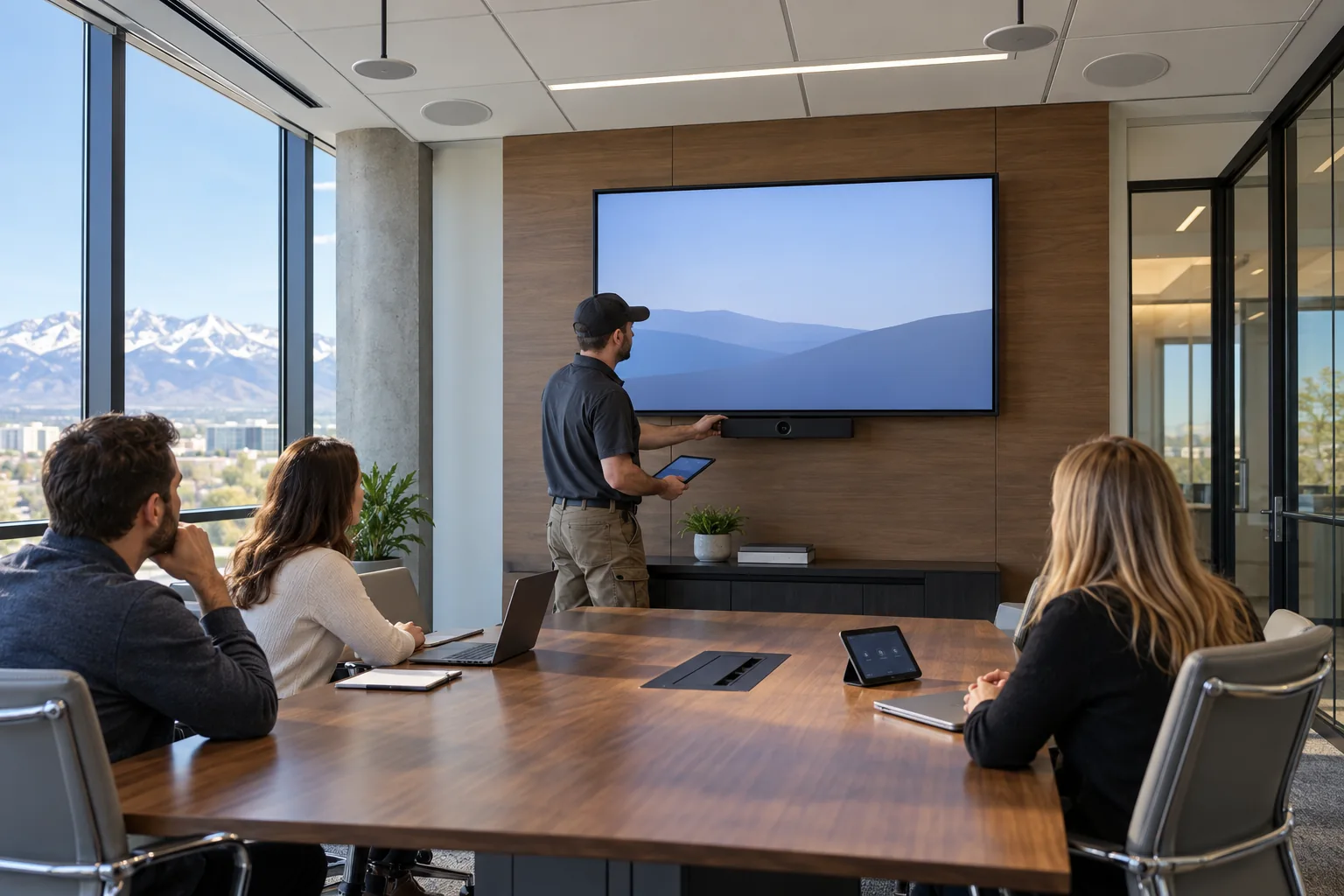
Products, interfaces and exact scope are confirmed after reviewing the facility.
The AV design should account for acoustics, network support, room size and the tools staff already use.
Check sight lines, speech intelligibility, camera framing, control simplicity and platform compatibility in the actual room. Commission with a real user joining a meeting, sharing content and recovering from a common fault.
Provide simple operator instructions, standardized room settings and an escalation path for faults.
We confirm existing conditions and customer responsibilities before finalizing products, interfaces, tests and the documentation needed to support the installed system.
A useful design connects components, people, failure conditions and a testable handoff.
Start with what a presenter and remote participant must see and hear, then select displays, cameras, microphones and speakers for the actual room.
Make join, share, volume and source changes consistent and understandable; plan a recovery path when a meeting platform or input fails.
Coordinate switching, bandwidth, security and support with IT, and assess echo, noise and sight lines before equipment selection.
Test real calls, shared content, speech from different seats, camera framing and simple user instructions with the intended platform.
Five possible applications to explore during discovery. These describe capabilities and design scenarios, not completed customer projects.
Equip a boardroom for intelligible remote meetings and easy source switching.
Coordinate auditorium microphones, speakers and displays for a school event.
Design a divisible training room with presets staff can operate without an AV specialist.
Route digital signage content through an approved network and publishing workflow.
Test acoustics, camera framing and user controls with the people who run the room.
Representative equipment and working environments relevant to the scope.
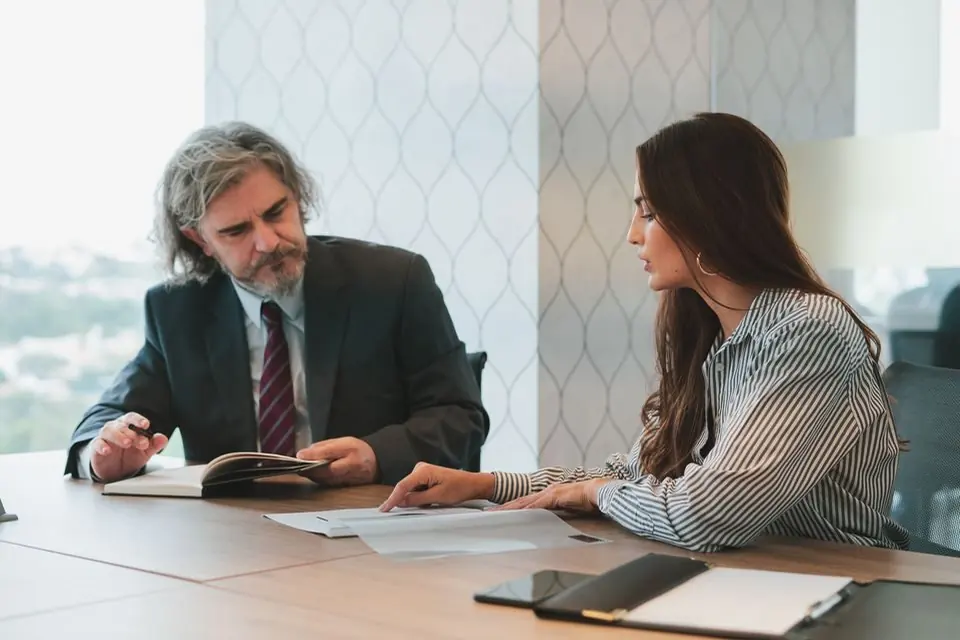
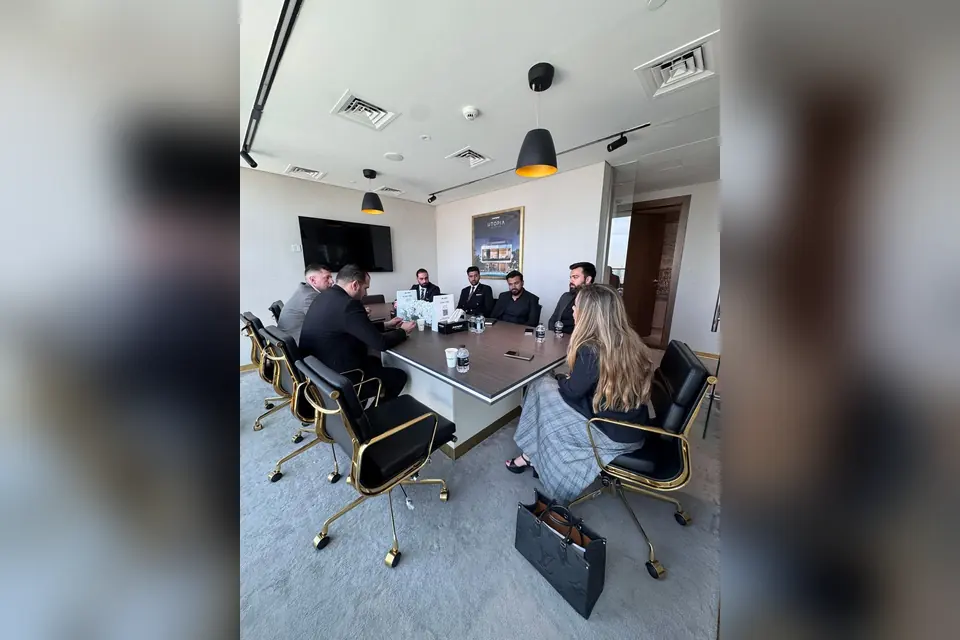
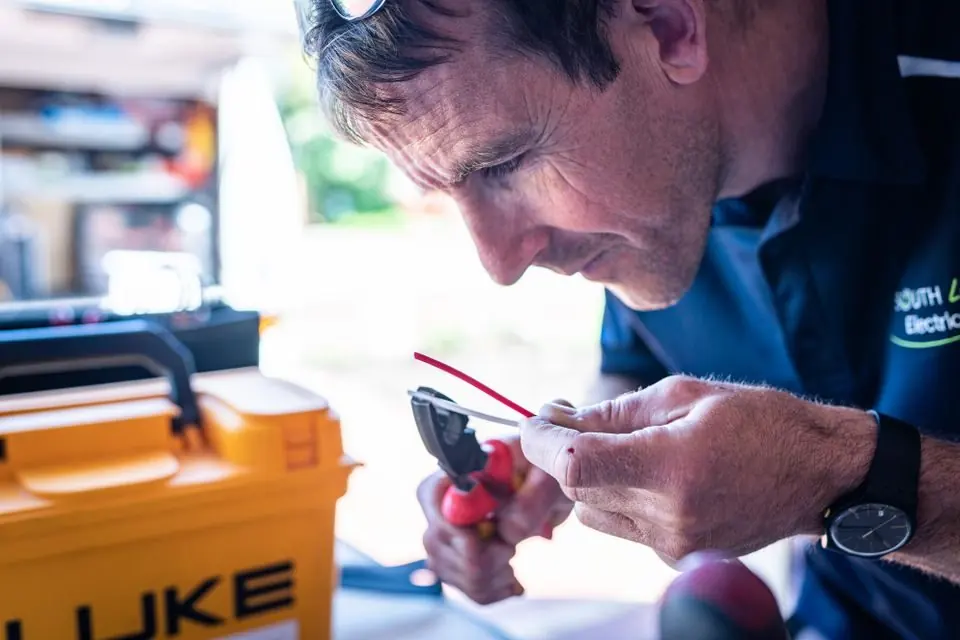
Our pre-site safety review, field documentation and customer acceptance process help keep the installed condition visible to the people who will operate and maintain it. For audio visual systems, the closeout conversation should include: Test real calls, shared content, speech from different seats, camera framing and simple user instructions with the intended platform.
We ask for the existing drawings, device inventory, network and power ownership, known deficiencies and the people who will use the system. The final scope and acceptance criteria follow those answers.
| Decision | What to confirm |
|---|---|
| Scope | Confirm the devices, areas and operating modes included in the work; record exclusions. |
| Dependencies | Check sight lines, speech intelligibility, camera framing, control simplicity and platform compatibility in the actual room. Commission with a real user joining a meeting, sharing content and recovering from a common fault. |
| Handoff evidence | Test real calls, shared content, speech from different seats, camera framing and simple user instructions with the intended platform. |
Have a building in Colorado? 1st Key stands ready and able to help. Tell us the location and what needs attention; we will confirm service availability and scope.
Describe the facility, the existing equipment and the outcome you need. We can discuss design, deployment or service.