Operator workflow
Specify the incidents operators must triage, what data they can see, who can make a decision and where a handoff occurs.

Bring feeds, events and operators into a more coherent security operations view.
Greater Denver and the Front Range
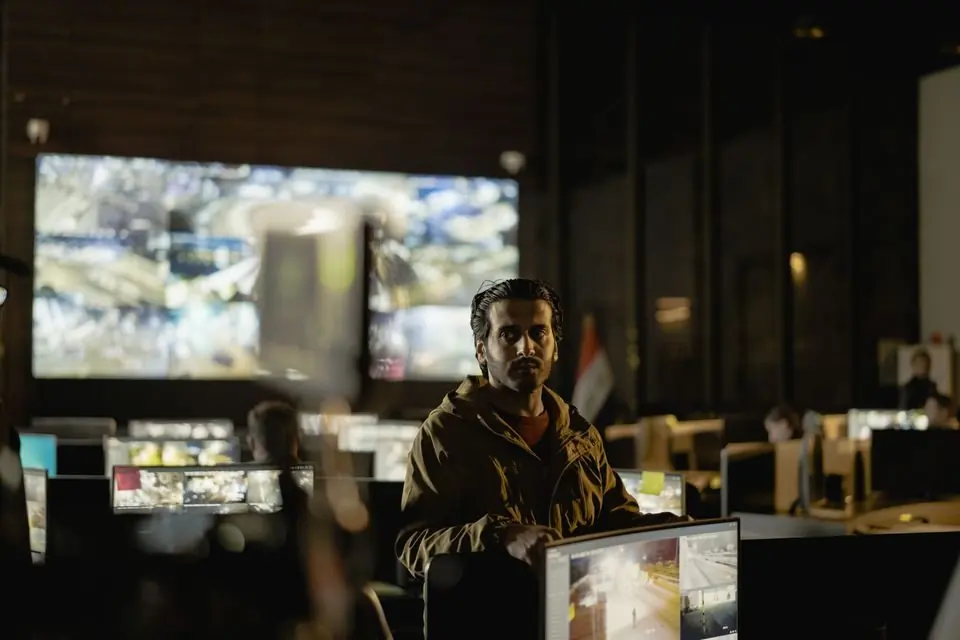
Products, interfaces and exact scope are confirmed after reviewing the facility.
The value comes from clear operating procedures and data quality, not merely more screens.
Identify the events an operator must see together and the information sources allowed in the room. Organize workstations, maps and video layouts around those decisions, then test permissions and evidence export.
Maintain access controls, scenario training, logs and system health across connected sources.
We confirm existing conditions and customer responsibilities before finalizing products, interfaces, tests and the documentation needed to support the installed system.
A useful design connects components, people, failure conditions and a testable handoff.
Specify the incidents operators must triage, what data they can see, who can make a decision and where a handoff occurs.
Connect permitted video, access, alarms, mapping and communications with consistent timestamps and clear source ownership.
Arrange workstations, video wall, audio, sight lines and resiliency around actual staffing rather than screen count.
Set roles, logs, evidence handling, retention and scenario training before the room enters routine operation.
Five possible applications to explore during discovery. These describe capabilities and design scenarios, not completed customer projects.
Bring approved camera and access events into a common operator view.
Create a triage workflow that prioritizes verified alarms over routine events.
Define permissions and audit logging for shared data feeds.
Build incident layouts that surface nearby cameras and contact instructions.
Test escalation and evidence export using a scripted scenario.
Representative equipment and working environments relevant to the scope.
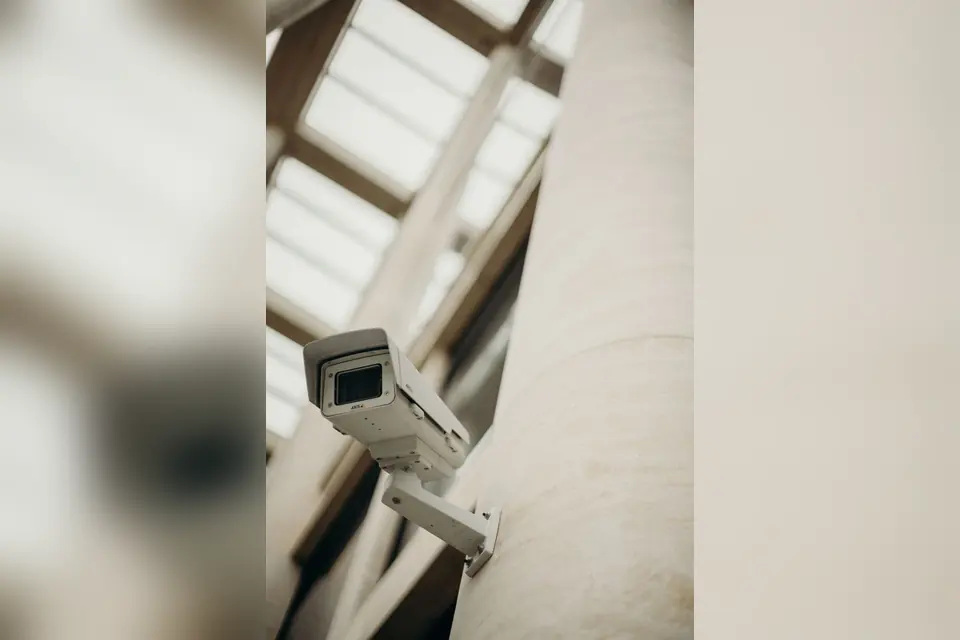
Our pre-site safety review, field documentation and customer acceptance process help keep the installed condition visible to the people who will operate and maintain it. For real time crime center, the closeout conversation should include: Set roles, logs, evidence handling, retention and scenario training before the room enters routine operation.
We ask for the existing drawings, device inventory, network and power ownership, known deficiencies and the people who will use the system. The final scope and acceptance criteria follow those answers.
| Decision | What to confirm |
|---|---|
| Scope | Confirm the devices, areas and operating modes included in the work; record exclusions. |
| Dependencies | Identify the events an operator must see together and the information sources allowed in the room. Organize workstations, maps and video layouts around those decisions, then test permissions and evidence export. |
| Handoff evidence | Set roles, logs, evidence handling, retention and scenario training before the room enters routine operation. |
Have a building in Colorado? 1st Key stands ready and able to help. Tell us the location and what needs attention; we will confirm service availability and scope.
Describe the facility, the existing equipment and the outcome you need. We can discuss design, deployment or service.