Signals and paths
Choose the events that require a monitored response, verify the communicator and its primary and backup paths, and distinguish trouble signals from alarms.

Route alarm signals to a defined response process and keep communication paths under review.
Greater Denver and the Front Range
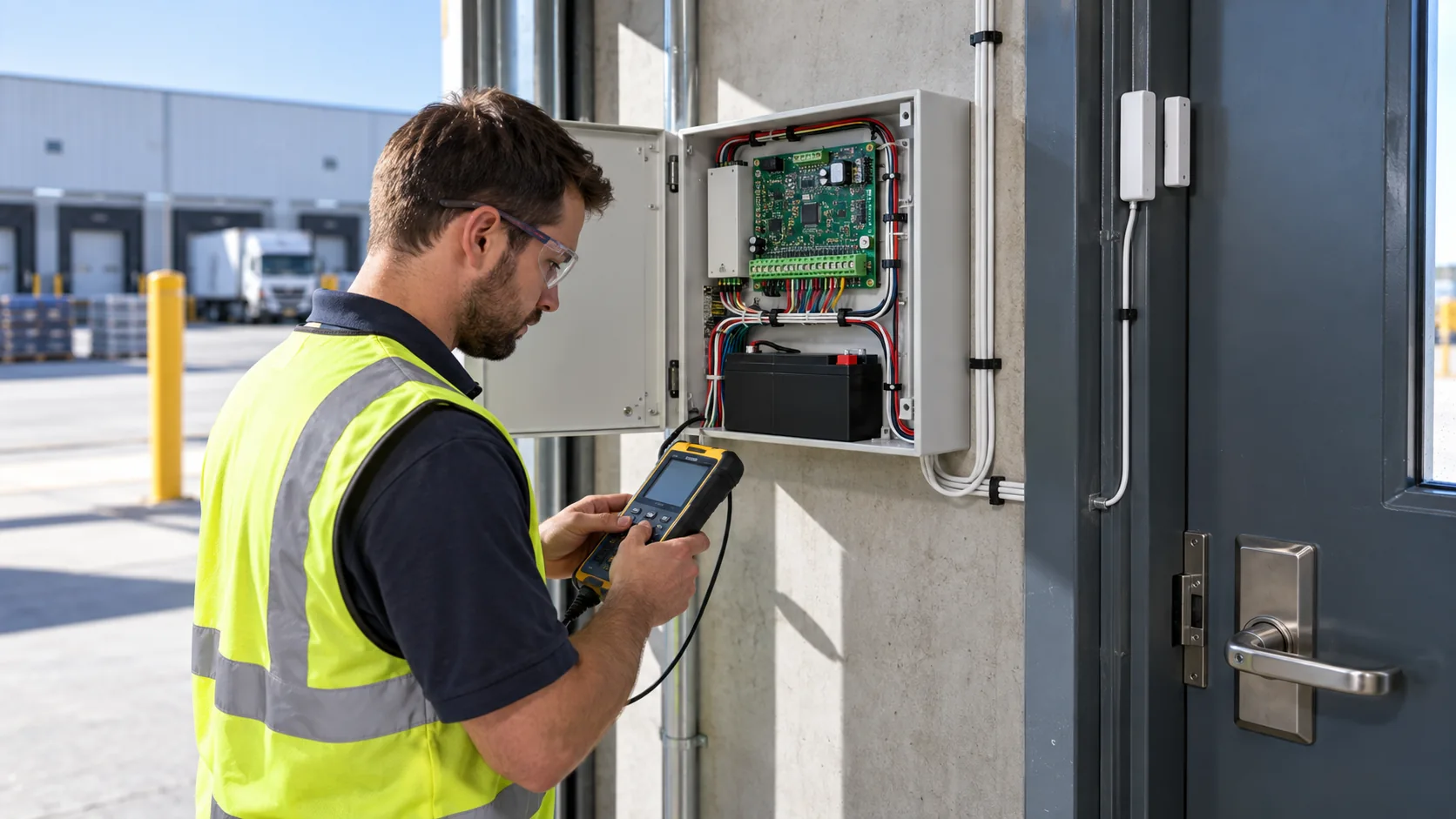
Products, interfaces and exact scope are confirmed after reviewing the facility.
Monitoring design depends on the system, site risk and selected central-station arrangement. Escalation and false-alarm handling should be agreed in advance.
A monitored account needs the correct signals, communication paths, subscriber details and contact order. Procedures for alarm verification, dispatch and false alarms should be tested with the people who will receive calls.
Keep contact lists, test results and response instructions current as the organization changes.
We confirm existing conditions and customer responsibilities before finalizing products, interfaces, tests and the documentation needed to support the installed system.
A useful design connects components, people, failure conditions and a testable handoff.
Choose the events that require a monitored response, verify the communicator and its primary and backup paths, and distinguish trouble signals from alarms.
Set the contact order, verification steps, dispatch instructions, site hours and procedure for an unavailable contact.
Review arming habits, zones that nuisance-trip and permit or local requirements where relevant before choosing escalation rules.
Test paths and receiver acknowledgments on the agreed schedule; update contacts and site instructions whenever operations change.
Five possible applications to explore during discovery. These describe capabilities and design scenarios, not completed customer projects.
Define which intrusion zones produce a monitored signal and who receives the call.
Document opening, closing and after-hours alarm procedures for a commercial property.
Set response instructions for a financial institution duress input.
Test the communication path after changing a panel or internet connection.
Review recurring nuisance signals and address the device or workflow causing them.
Representative equipment and working environments relevant to the scope.
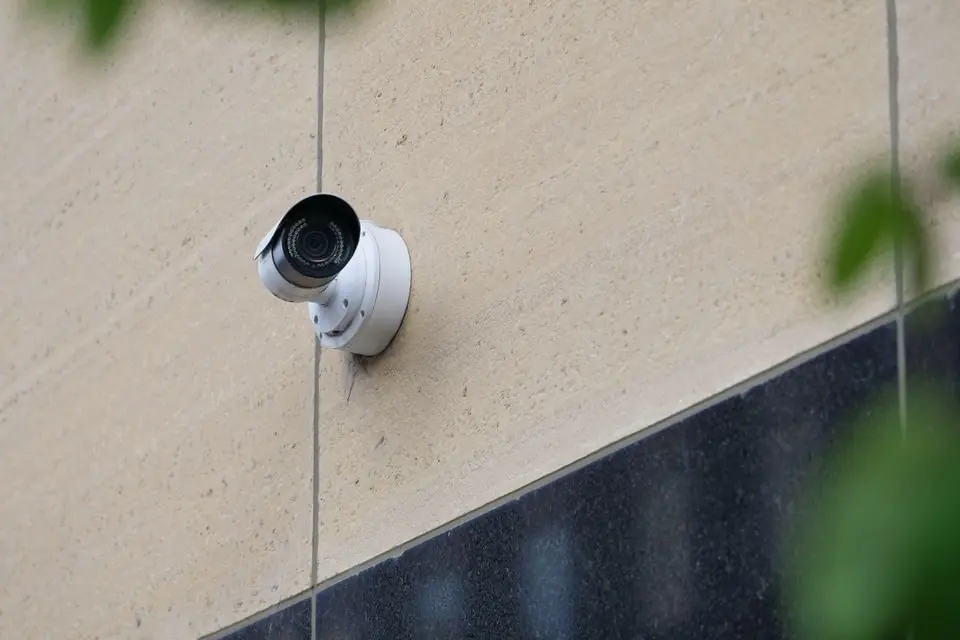
Our pre-site safety review, field documentation and customer acceptance process help keep the installed condition visible to the people who will operate and maintain it. For alarm monitoring, the closeout conversation should include: Test paths and receiver acknowledgments on the agreed schedule; update contacts and site instructions whenever operations change.
We ask for the existing drawings, device inventory, network and power ownership, known deficiencies and the people who will use the system. The final scope and acceptance criteria follow those answers.
| Decision | What to confirm |
|---|---|
| Scope | Confirm the devices, areas and operating modes included in the work; record exclusions. |
| Dependencies | A monitored account needs the correct signals, communication paths, subscriber details and contact order. Procedures for alarm verification, dispatch and false alarms should be tested with the people who will receive calls. |
| Handoff evidence | Test paths and receiver acknowledgments on the agreed schedule; update contacts and site instructions whenever operations change. |
Have a building in Colorado? 1st Key stands ready and able to help. Tell us the location and what needs attention; we will confirm service availability and scope.
Describe the facility, the existing equipment and the outcome you need. We can discuss design, deployment or service.