Scene suitability
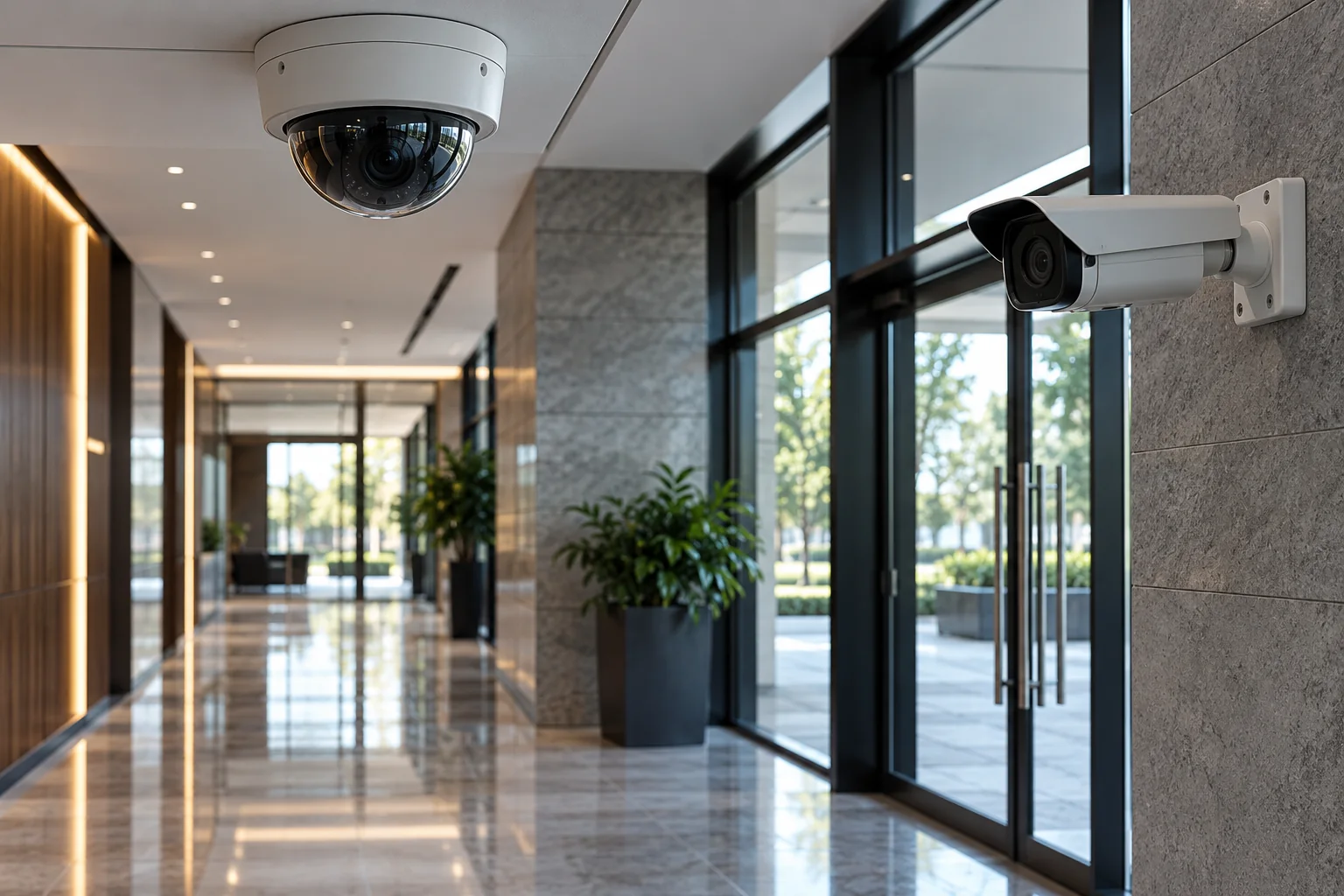
Evaluate camera angle, coverage, resolution, light and crowd conditions before considering video analytics for a particular scene.

Evaluate analytic detection as one layer in a wider emergency-response plan.
Greater Denver and the Front Range
Products, interfaces and exact scope are confirmed after reviewing the facility.
Detection performance depends on scene conditions and the chosen product. Test false alerts, escalation and privacy implications before deployment.
Camera angle, image quality and operating conditions affect detection. Before launch, define a human verification step, alert recipients, false-positive procedure and the relationship to lockdown and notification policies.
Review model performance and response protocols regularly; analytics do not replace trained personnel or emergency planning.
We confirm existing conditions and customer responsibilities before finalizing products, interfaces, tests and the documentation needed to support the installed system.
A useful design connects components, people, failure conditions and a testable handoff.
Evaluate camera angle, coverage, resolution, light and crowd conditions before considering video analytics for a particular scene.
Route a potential detection to a trained reviewer with the associated clip and clear thresholds before action is taken.
Align the alert with a customer-approved emergency plan, notification authority, false-positive process and privacy requirements.
Pilot representative scenes and document missed and nuisance events; no analytic tool guarantees detection or replaces trained personnel.
Five possible applications to explore during discovery. These describe capabilities and design scenarios, not completed customer projects.
Assess whether the proposed camera views support the detection method being considered.
Define human verification before a software alert starts a response.
Set an escalation path that distinguishes an alert from a confirmed threat.
Evaluate false positives, privacy and retention with customer leadership.
Run a controlled test with stakeholders before relying on an operational workflow.
Representative equipment and working environments relevant to the scope.

Our pre-site safety review, field documentation and customer acceptance process help keep the installed condition visible to the people who will operate and maintain it. For video gun detection, the closeout conversation should include: Pilot representative scenes and document missed and nuisance events; no analytic tool guarantees detection or replaces trained personnel.
We ask for the existing drawings, device inventory, network and power ownership, known deficiencies and the people who will use the system. The final scope and acceptance criteria follow those answers.
| Decision | What to confirm |
|---|---|
| Scope | Confirm the devices, areas and operating modes included in the work; record exclusions. |
| Dependencies | Camera angle, image quality and operating conditions affect detection. Before launch, define a human verification step, alert recipients, false-positive procedure and the relationship to lockdown and notification policies. |
| Handoff evidence | Pilot representative scenes and document missed and nuisance events; no analytic tool guarantees detection or replaces trained personnel. |
Have a building in Colorado? 1st Key stands ready and able to help. Tell us the location and what needs attention; we will confirm service availability and scope.
Describe the facility, the existing equipment and the outcome you need. We can discuss design, deployment or service.