Capture geometry
Select lane width, distance, mounting angle, speed and lighting that allow usable reads under normal traffic and night conditions.

Use vehicle events to support parking access, investigations and perimeter awareness.
Greater Denver and the Front Range
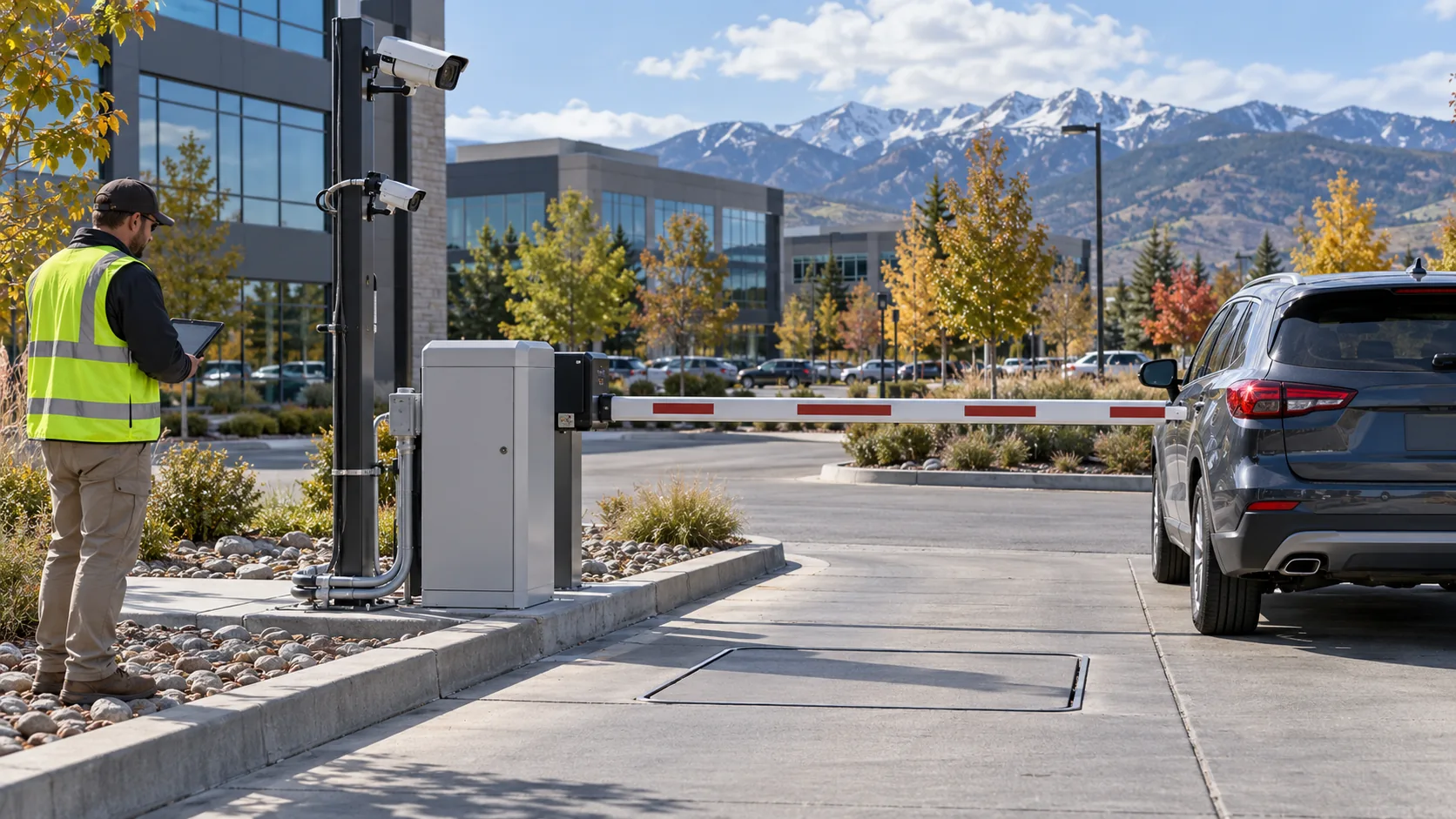
Products, interfaces and exact scope are confirmed after reviewing the facility.
Lighting, speed, mounting angle, privacy and local policy shape the design. Plate reads should be validated at the actual site.
Test capture in the actual entry lane under day, night and weather conditions. Define how exceptions are handled, who can search plate events and whether a plate read triggers a gate or only informs an operator.
Review false reads, permissions and equipment health after deployment.
We confirm existing conditions and customer responsibilities before finalizing products, interfaces, tests and the documentation needed to support the installed system.
A useful design connects components, people, failure conditions and a testable handoff.
Select lane width, distance, mounting angle, speed and lighting that allow usable reads under normal traffic and night conditions.
Decide whether a read informs a guard, creates an alert or controls a gate; define allowlists, exceptions and human override.
Set access to plate records, retention and cross-system links in line with the owner’s policy and applicable law.
Trial the actual lane in varied conditions and review missed or incorrect reads before using them in an automated decision.
Five possible applications to explore during discovery. These describe capabilities and design scenarios, not completed customer projects.
Record vehicles entering a controlled parking lane under mixed day and night lighting.
Give a property team a search workflow for a reported loading-dock incident.
Coordinate plate capture with gates, access rules and approved privacy practices.
Test camera angle, shutter and illumination against the actual lane speed.
Document retention and authorized use before activating alerts or watch lists.
Representative equipment and working environments relevant to the scope.
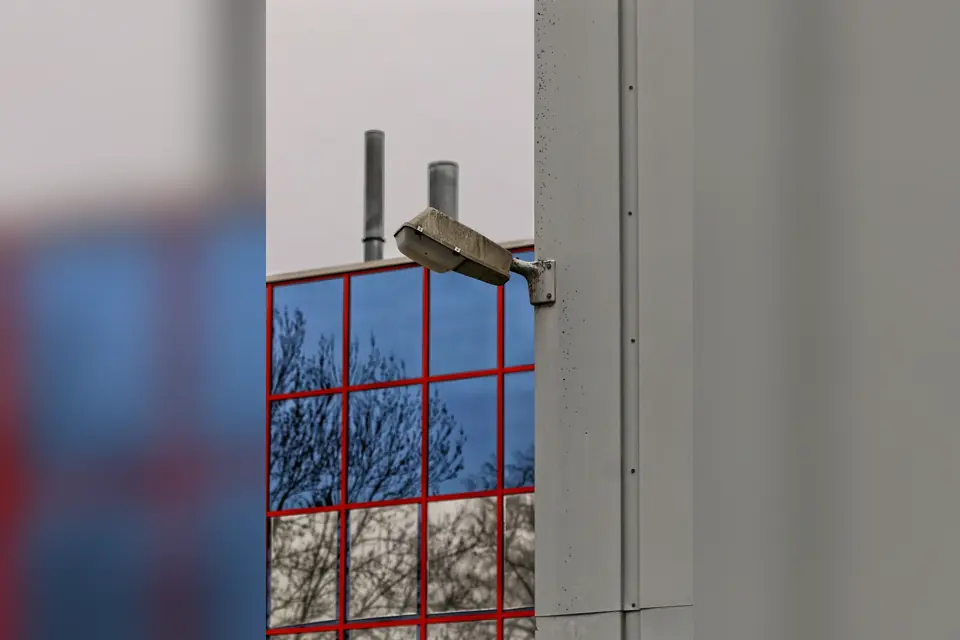
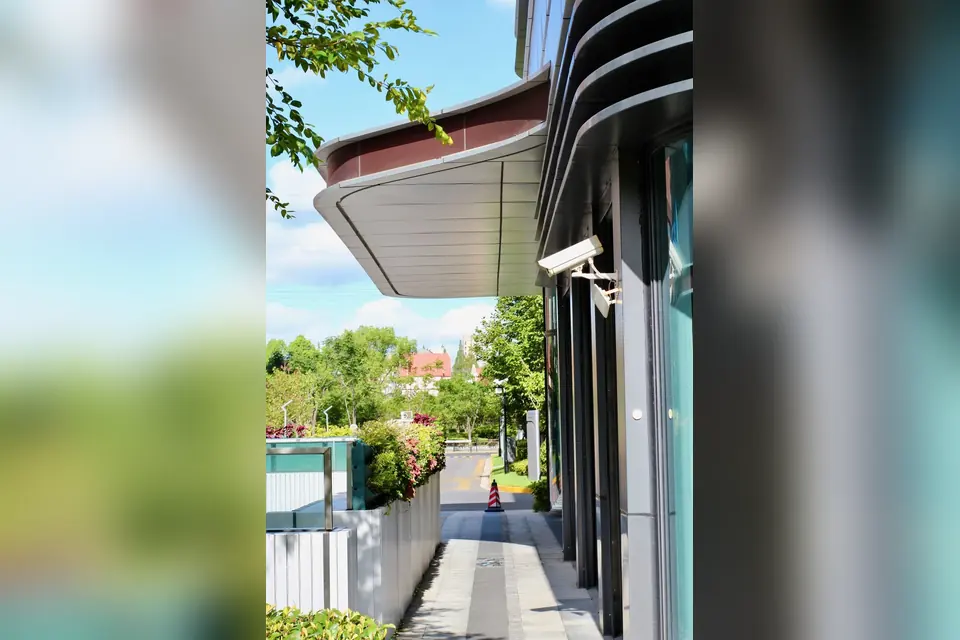
Our pre-site safety review, field documentation and customer acceptance process help keep the installed condition visible to the people who will operate and maintain it. For license plate recognition, the closeout conversation should include: Trial the actual lane in varied conditions and review missed or incorrect reads before using them in an automated decision.
We ask for the existing drawings, device inventory, network and power ownership, known deficiencies and the people who will use the system. The final scope and acceptance criteria follow those answers.
| Decision | What to confirm |
|---|---|
| Scope | Confirm the devices, areas and operating modes included in the work; record exclusions. |
| Dependencies | Test capture in the actual entry lane under day, night and weather conditions. Define how exceptions are handled, who can search plate events and whether a plate read triggers a gate or only informs an operator. |
| Handoff evidence | Trial the actual lane in varied conditions and review missed or incorrect reads before using them in an automated decision. |
Have a building in Colorado? 1st Key stands ready and able to help. Tell us the location and what needs attention; we will confirm service availability and scope.
Describe the facility, the existing equipment and the outcome you need. We can discuss design, deployment or service.