Risk and terrain
Identify likely approach routes, blind spots, RF interference and whether radar, RF, acoustic or optical sensing fits the site.

Evaluate airspace-awareness tools for facilities with a defined aerial risk.
Greater Denver and the Front Range
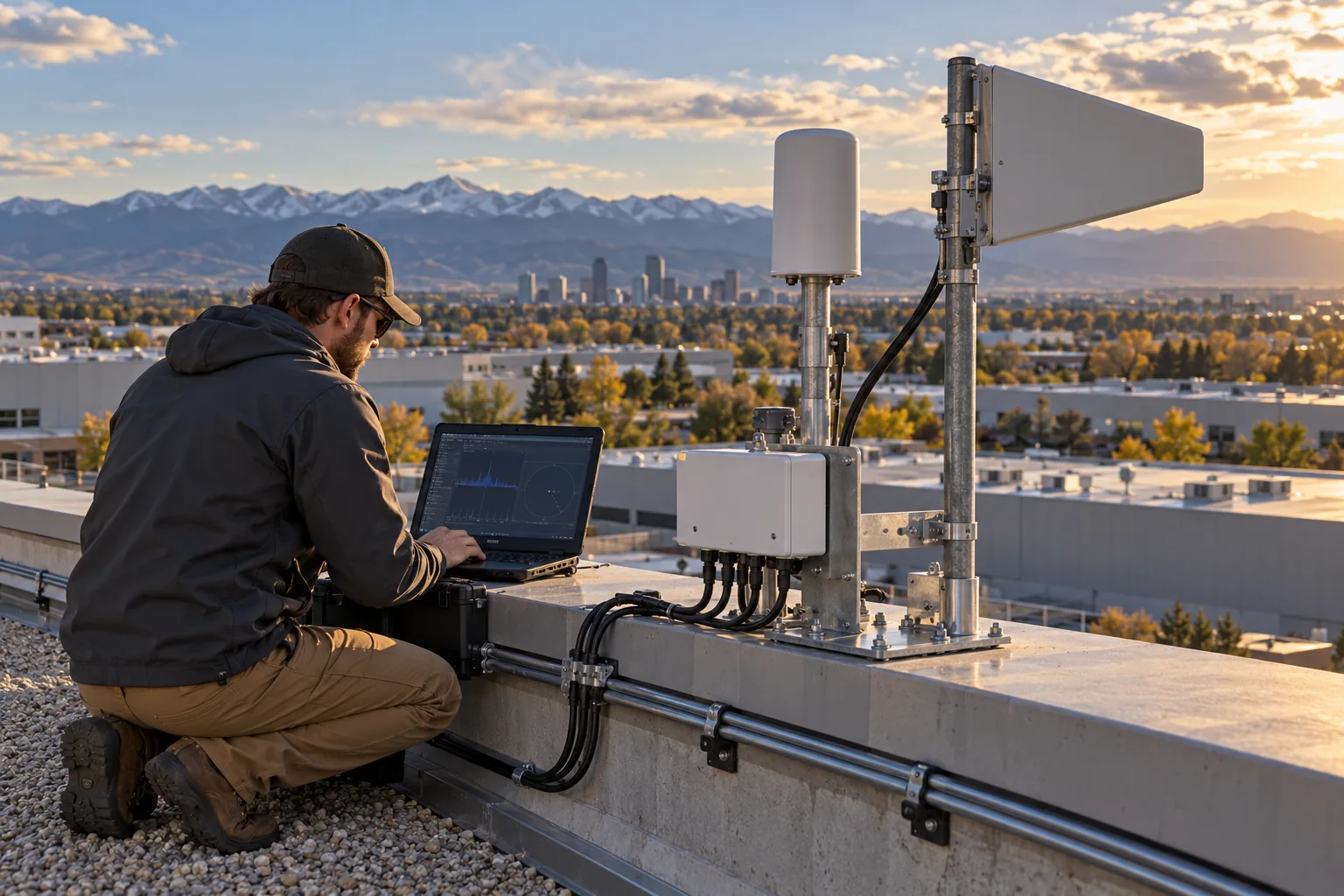
Products, interfaces and exact scope are confirmed after reviewing the facility.
Detection and any response must reflect site conditions, system limits and applicable rules. We define escalation before equipment selection.
A site survey identifies likely approach paths, interference and the limits of each sensing method. Separate detecting, verifying and responding; define who is authorized to act and what evidence must be retained.
Review alerts, coverage and operating procedures with the customer’s security team.
We confirm existing conditions and customer responsibilities before finalizing products, interfaces, tests and the documentation needed to support the installed system.
A useful design connects components, people, failure conditions and a testable handoff.
Identify likely approach routes, blind spots, RF interference and whether radar, RF, acoustic or optical sensing fits the site.
Separate an initial sensor alert from visual or other confirmation and define who receives, logs and evaluates it.
Document lawful authority, customer policy and escalation. Detection alone does not authorize disruption or interception of an aircraft.
Test representative conditions, false alarms and system health, then keep the response procedure current with the security team.
Five possible applications to explore during discovery. These describe capabilities and design scenarios, not completed customer projects.
Assess sight lines and permitted sensor placement around a critical facility.
Define a response plan for a detected aircraft without assuming authority to intervene.
Correlate sensor observations with cameras and security-operations logs where lawful.
Test nuisance alerts caused by nearby permitted drone activity.
Coordinate the scope with site security, counsel and applicable aviation rules.
Representative equipment and working environments relevant to the scope.
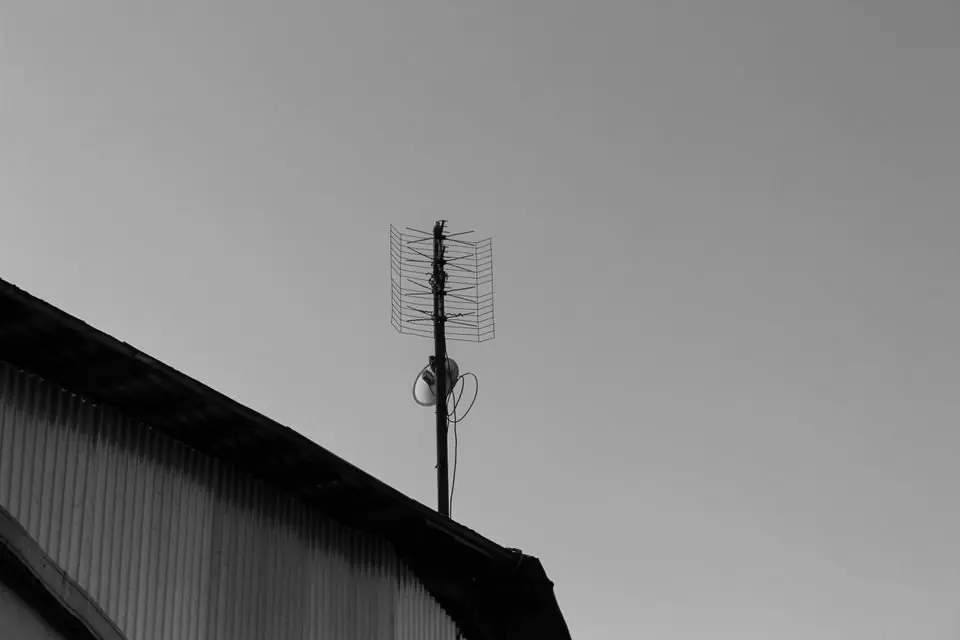
Our pre-site safety review, field documentation and customer acceptance process help keep the installed condition visible to the people who will operate and maintain it. For drone detection & response planning, the closeout conversation should include: Test representative conditions, false alarms and system health, then keep the response procedure current with the security team.
We ask for the existing drawings, device inventory, network and power ownership, known deficiencies and the people who will use the system. The final scope and acceptance criteria follow those answers.
| Decision | What to confirm |
|---|---|
| Scope | Confirm the devices, areas and operating modes included in the work; record exclusions. |
| Dependencies | A site survey identifies likely approach paths, interference and the limits of each sensing method. Separate detecting, verifying and responding; define who is authorized to act and what evidence must be retained. |
| Handoff evidence | Test representative conditions, false alarms and system health, then keep the response procedure current with the security team. |
Have a building in Colorado? 1st Key stands ready and able to help. Tell us the location and what needs attention; we will confirm service availability and scope.
Describe the facility, the existing equipment and the outcome you need. We can discuss design, deployment or service.