Purpose of each view
Distinguish overview, identification, vehicle and process views. Choose lens and mounting position for the evidence the owner actually needs.

Capture useful images and make them accessible to authorized users when needed.
Greater Denver and the Front Range
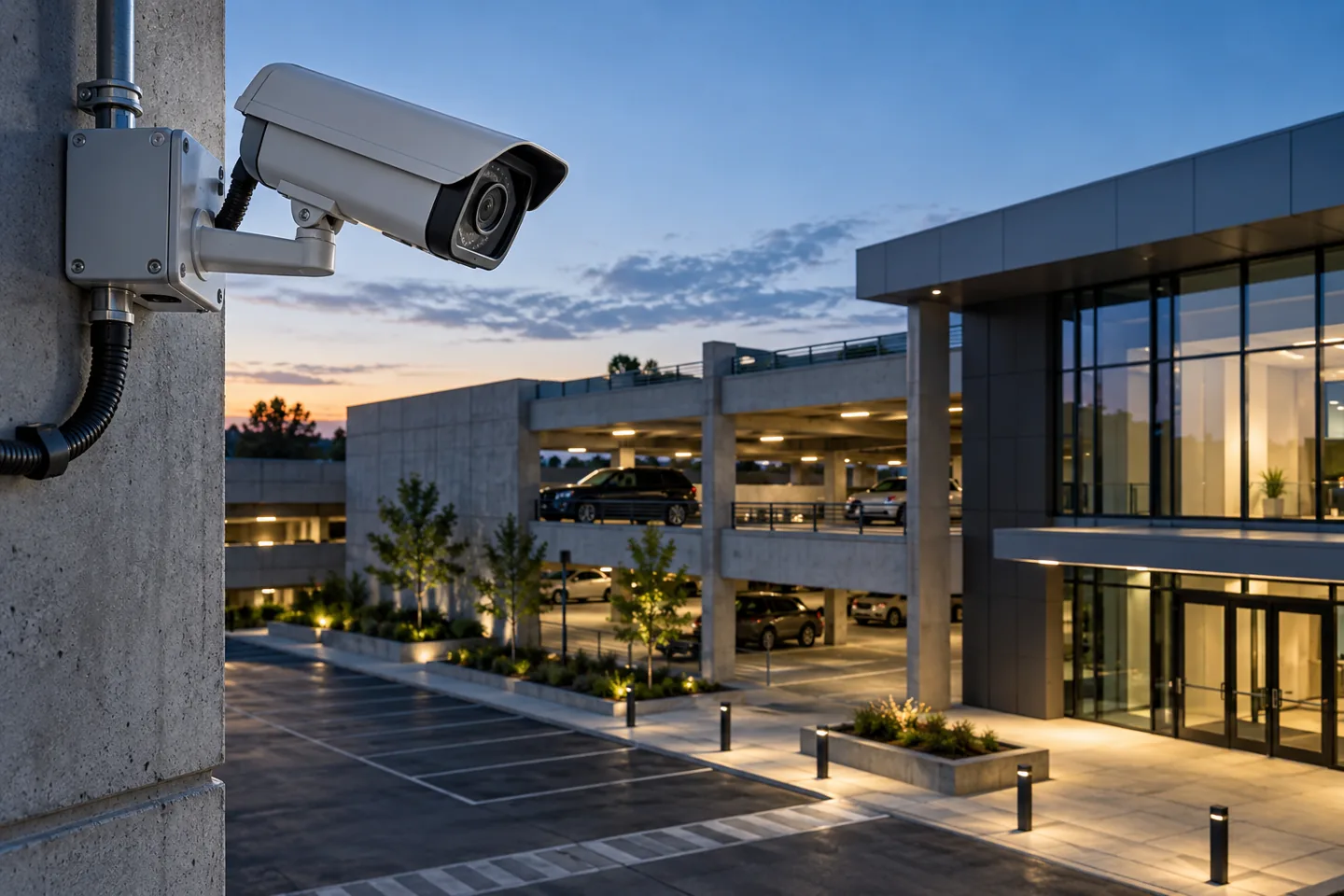
Products, interfaces and exact scope are confirmed after reviewing the facility.
Coverage, bandwidth, storage and retention are design decisions, not just camera specifications. Event links to access and intrusion should be tested.
For each camera, document the purpose of the view: identification, observation, vehicle capture or process oversight. Check lighting and occlusion, then size bandwidth and storage against the agreed recording and retention plan.
Periodic health checks should confirm that cameras are online, aimed correctly and recording as intended.
We confirm existing conditions and customer responsibilities before finalizing products, interfaces, tests and the documentation needed to support the installed system.
A useful design connects components, people, failure conditions and a testable handoff.
Distinguish overview, identification, vehicle and process views. Choose lens and mounting position for the evidence the owner actually needs.
Check day and night lighting, backlight, occlusion, frame rate, compression, network load, retention target and storage margin.
Define user permissions, remote access, privacy areas, live monitoring versus recorded review, and a repeatable evidence export process.
Inspect representative scenes under real conditions; confirm synchronized clocks, recording continuity, playback and export before handoff.
Five possible applications to explore during discovery. These describe capabilities and design scenarios, not completed customer projects.
Design distinct overview and identification views at a commercial lobby.
Check loading-dock cameras against nighttime glare and vehicle headlights.
Size storage for an agreed retention period rather than a generic camera count.
Link an access event to nearby video for faster incident review.
Test whether authorized staff can locate, export and protect a clip.
Representative equipment and working environments relevant to the scope.
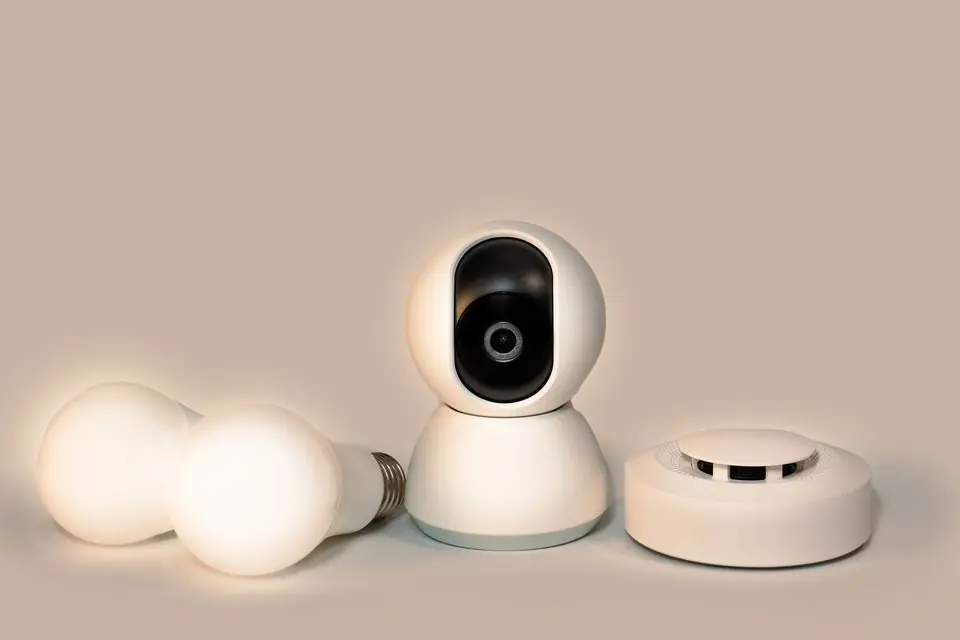
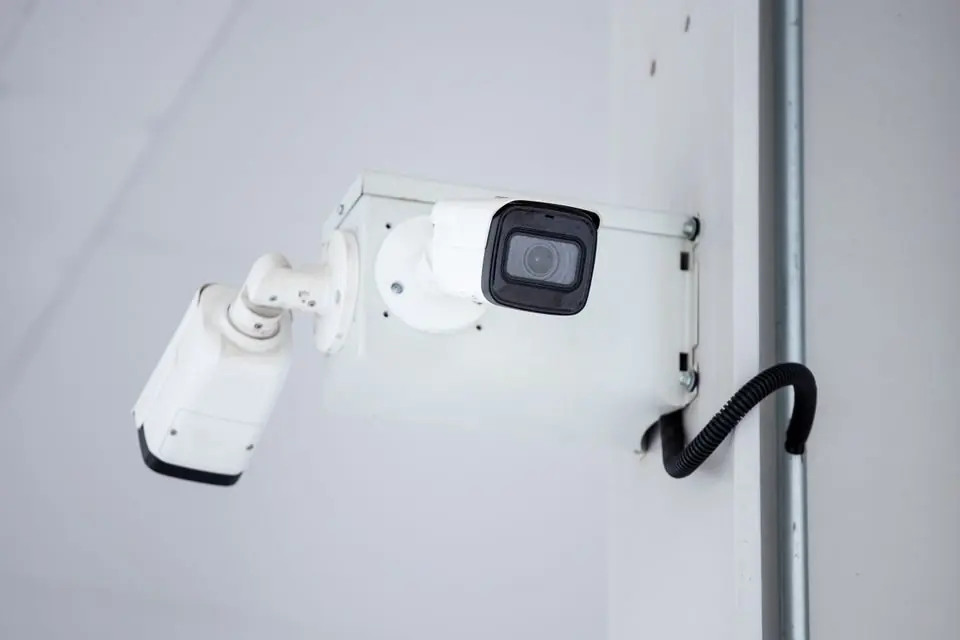
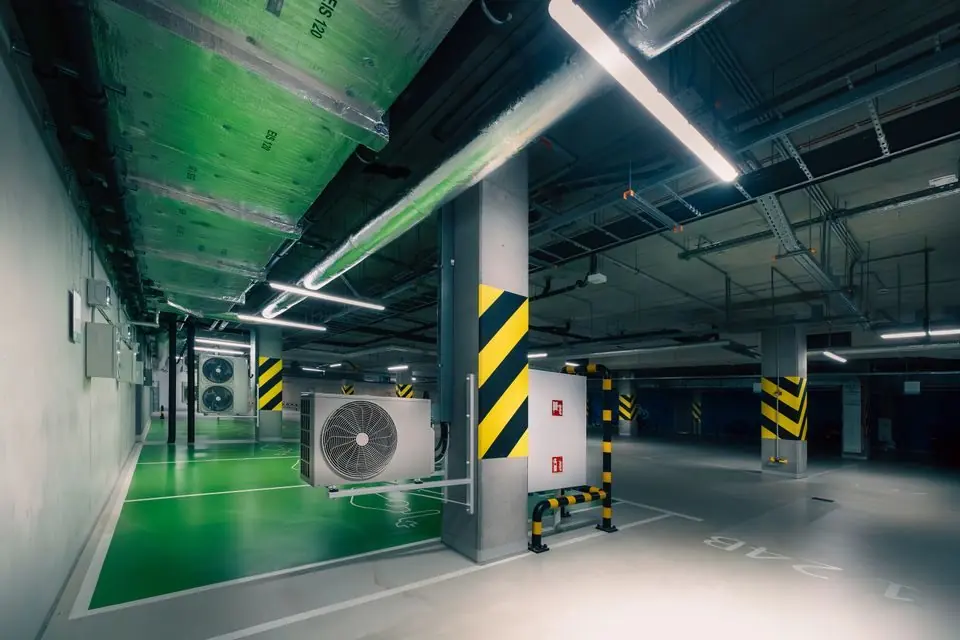
Our pre-site safety review, field documentation and customer acceptance process help keep the installed condition visible to the people who will operate and maintain it. For video surveillance, the closeout conversation should include: Inspect representative scenes under real conditions; confirm synchronized clocks, recording continuity, playback and export before handoff.
We ask for the existing drawings, device inventory, network and power ownership, known deficiencies and the people who will use the system. The final scope and acceptance criteria follow those answers.
| Decision | What to confirm |
|---|---|
| Scope | Confirm the devices, areas and operating modes included in the work; record exclusions. |
| Dependencies | For each camera, document the purpose of the view: identification, observation, vehicle capture or process oversight. Check lighting and occlusion, then size bandwidth and storage against the agreed recording and retention plan. |
| Handoff evidence | Inspect representative scenes under real conditions; confirm synchronized clocks, recording continuity, playback and export before handoff. |
Have a building in Colorado? 1st Key stands ready and able to help. Tell us the location and what needs attention; we will confirm service availability and scope.
Describe the facility, the existing equipment and the outcome you need. We can discuss design, deployment or service.