Detection design
Select contacts, motion sensors, glass-break, duress and environmental inputs around actual risk and normal movement, not just floor area.

Detect unauthorized entry and build an escalation path the team can use.
Greater Denver and the Front Range
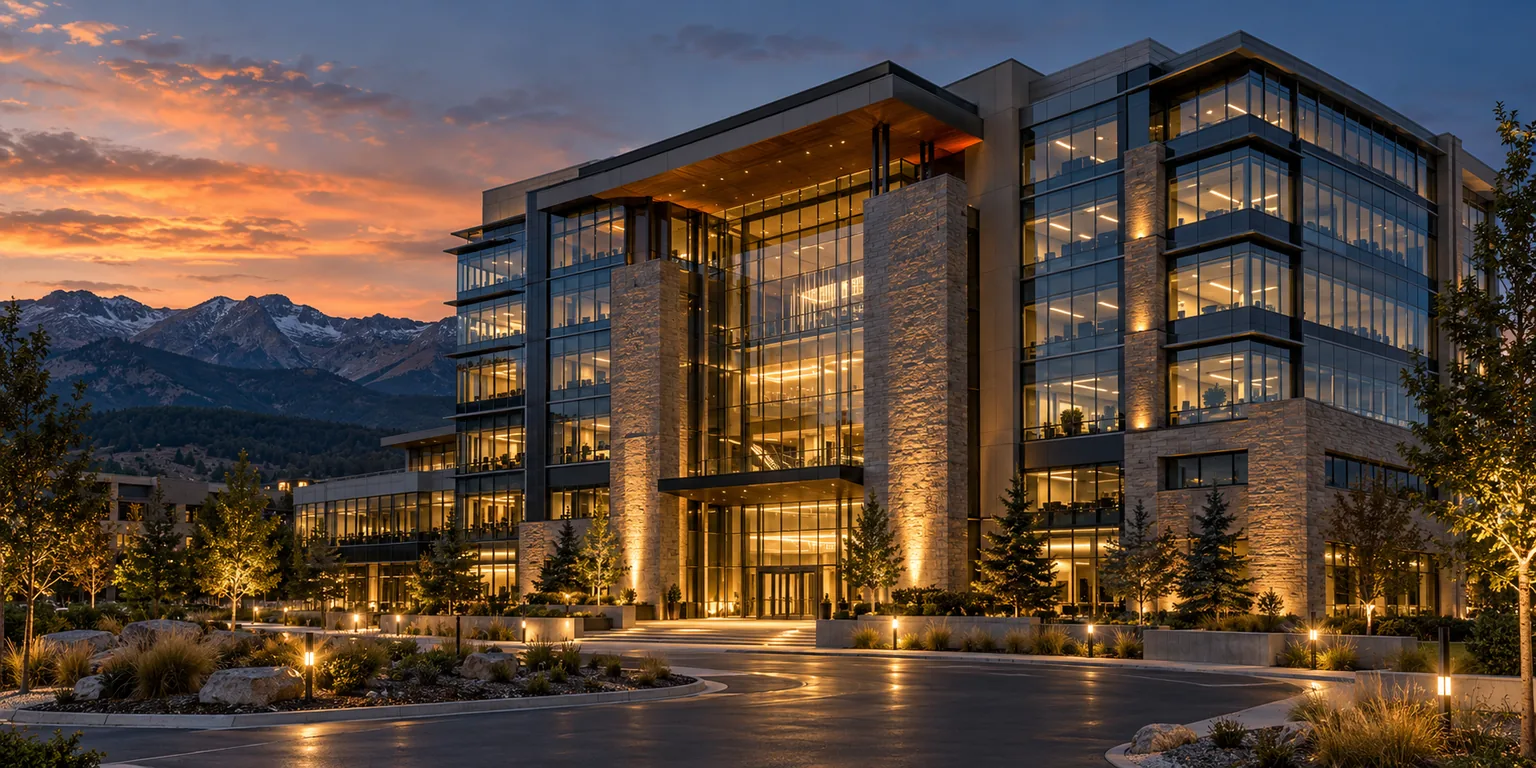
Products, interfaces and exact scope are confirmed after reviewing the facility.
Intrusion events may be paired with video verification, access control or monitored response when supported by the selected platforms.
Zone planning should distinguish normal traffic from a genuine after-hours event. Review arming schedules, exit delays, duress use, door conditions and the impact of a lost network or cellular path.
Test zones, communications and user procedures; update contacts when people or occupancy change.
We confirm existing conditions and customer responsibilities before finalizing products, interfaces, tests and the documentation needed to support the installed system.
A useful design connects components, people, failure conditions and a testable handoff.
Select contacts, motion sensors, glass-break, duress and environmental inputs around actual risk and normal movement, not just floor area.
Define arming groups, entry and exit delays, schedules, user authority and how after-hours cleaners or contractors enter.
Connect prioritized signals to monitoring or video where supported; make sure an operator knows which zone and view correspond to an event.
Test zones, backup power, lost communications and restoration, then train users on bypasses, false alarms and contact changes.
Five possible applications to explore during discovery. These describe capabilities and design scenarios, not completed customer projects.
Divide a retail store into public, stockroom and after-hours intrusion zones.
Protect a warehouse perimeter with door contacts and motion detection appropriate to the space.
Integrate panic inputs with a documented staff response path.
Review false-alarm history before replacing a sensor or changing its placement.
Test alarm transmission, backup power and restoration after a panel modernization.
Our pre-site safety review, field documentation and customer acceptance process help keep the installed condition visible to the people who will operate and maintain it. For intrusion alarm, the closeout conversation should include: Test zones, backup power, lost communications and restoration, then train users on bypasses, false alarms and contact changes.
We ask for the existing drawings, device inventory, network and power ownership, known deficiencies and the people who will use the system. The final scope and acceptance criteria follow those answers.
| Decision | What to confirm |
|---|---|
| Scope | Confirm the devices, areas and operating modes included in the work; record exclusions. |
| Dependencies | Zone planning should distinguish normal traffic from a genuine after-hours event. Review arming schedules, exit delays, duress use, door conditions and the impact of a lost network or cellular path. |
| Handoff evidence | Test zones, backup power, lost communications and restoration, then train users on bypasses, false alarms and contact changes. |
Have a building in Colorado? 1st Key stands ready and able to help. Tell us the location and what needs attention; we will confirm service availability and scope.
Describe the facility, the existing equipment and the outcome you need. We can discuss design, deployment or service.