Movement
Map vehicle entry, search, accessible spaces, reserved areas, exits and peak queues before placing a sensor or sign.

Connect vehicle access, occupancy and guidance to improve parking operations.
Greater Denver and the Front Range
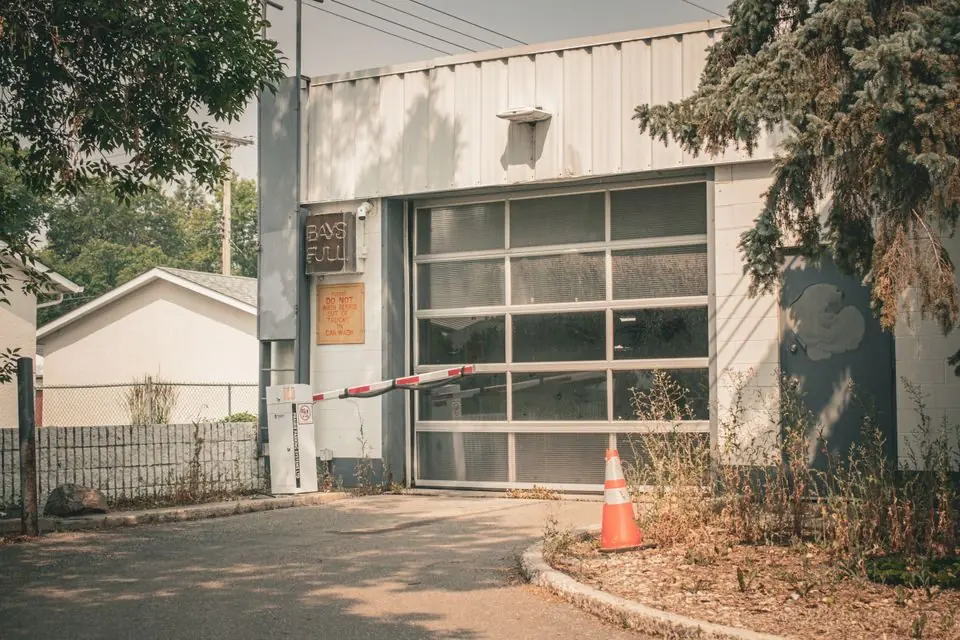
Products, interfaces and exact scope are confirmed after reviewing the facility.
Start with traffic flow, entry constraints and what operators need to know before specifying sensors or software.
Trace how vehicles enter, find spaces, receive guidance and leave. Test sensors in busy periods and unusual conditions; plan how staff override the system when a zone closes or a device gives a bad reading.
Review sensor accuracy, device health and changing parking policies.
We confirm existing conditions and customer responsibilities before finalizing products, interfaces, tests and the documentation needed to support the installed system.
A useful design connects components, people, failure conditions and a testable handoff.
Map vehicle entry, search, accessible spaces, reserved areas, exits and peak queues before placing a sensor or sign.
Match sensors, lane devices, occupancy analytics, guidance displays and permit workflows to the actual parking policy.
Give staff overrides for closures, special events and failed sensors; define what the dashboard should show and who can act.
Compare sensor readings with observed occupancy at busy and quiet times and revise thresholds or signage when patterns change.
Five possible applications to explore during discovery. These describe capabilities and design scenarios, not completed customer projects.
Grant tenants access to a garage while keeping visitor parking separately managed.
Measure occupancy by entry and exit lane to inform operating decisions.
Pair a plate or credential event with lane video where approved.
Coordinate gate equipment, vehicle detection and an attendant override.
Test the pedestrian and vehicle flows during peak arrival hours.
Representative equipment and working environments relevant to the scope.
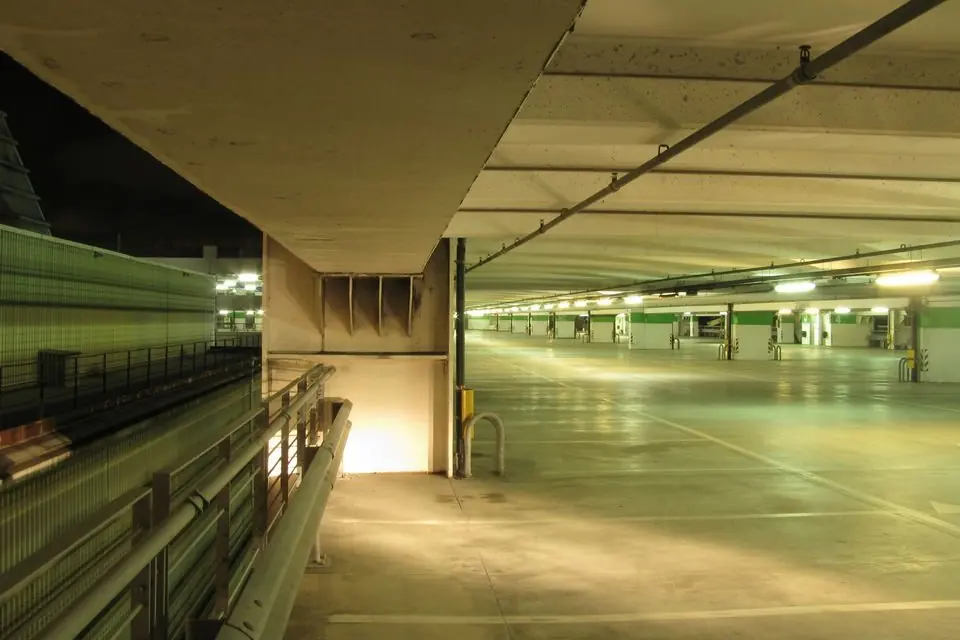
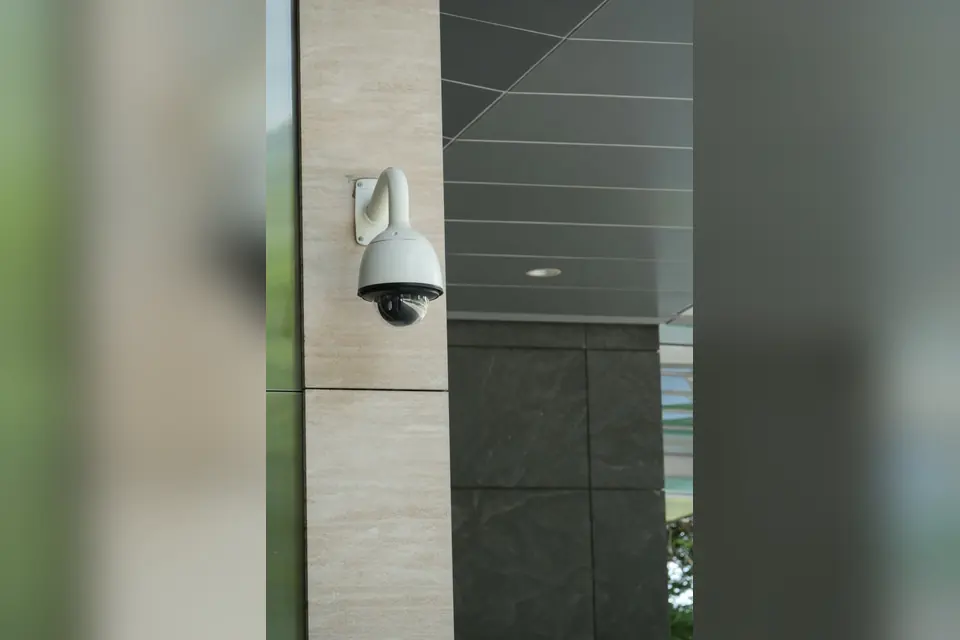
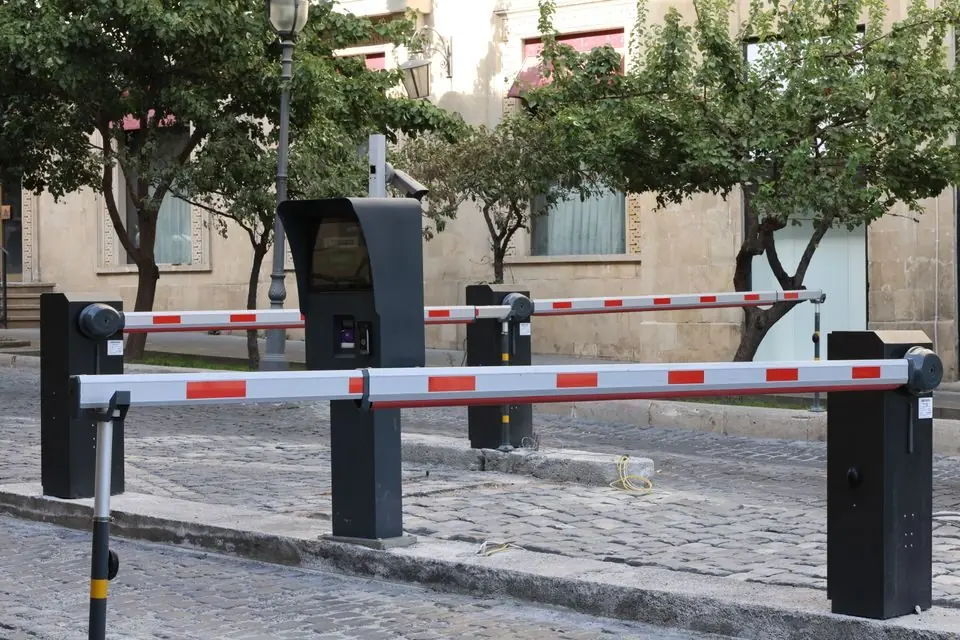
Our pre-site safety review, field documentation and customer acceptance process help keep the installed condition visible to the people who will operate and maintain it. For smart parking, the closeout conversation should include: Compare sensor readings with observed occupancy at busy and quiet times and revise thresholds or signage when patterns change.
We ask for the existing drawings, device inventory, network and power ownership, known deficiencies and the people who will use the system. The final scope and acceptance criteria follow those answers.
| Decision | What to confirm |
|---|---|
| Scope | Confirm the devices, areas and operating modes included in the work; record exclusions. |
| Dependencies | Trace how vehicles enter, find spaces, receive guidance and leave. Test sensors in busy periods and unusual conditions; plan how staff override the system when a zone closes or a device gives a bad reading. |
| Handoff evidence | Compare sensor readings with observed occupancy at busy and quiet times and revise thresholds or signage when patterns change. |
Have a building in Colorado? 1st Key stands ready and able to help. Tell us the location and what needs attention; we will confirm service availability and scope.
Describe the facility, the existing equipment and the outcome you need. We can discuss design, deployment or service.